Donette Francis is director for the Center for Global Black Studies and past director of the American Studies Program at the University of Miami. An Associate Professor of English and founding member of the Hemispheric Caribbean Studies Collective, her research and writing investigate place, aesthetics and cultural politics in the African Diaspora. Professor Francis is the author of Fictions of Feminine Citizenship: Sexuality and the Nation in Contemporary Caribbean Literature and has edited several special journal issues: “Looking for Black Miami: Black Intellectual and Artistic Formations,” Anthurium, (Spring 2020) “Interim Time: Recasting the Revolutionary Jamaican 1970s.” Small Axe (March 2019); “Radical Skepticisms: The Long Jamaican 1960s.” Small Axe (July 2017). She is currently completing Creole Miami: Black Arts at the Hemispheric Crossroads, a sociocultural history of black arts practice in Miami from 1980s to present.
Dr. Francis has received research grants and fellowships from The Johannesburg Institute for Advanced Studies, South Africa, The Clark Art Institute, The Mellon Foundation, The Advanced Research Collaborative Fellowship, City University of New York and Center for the Humanities, University of Miami. She received her PhD. in American Studies from New York University and MA in English from Howard University.
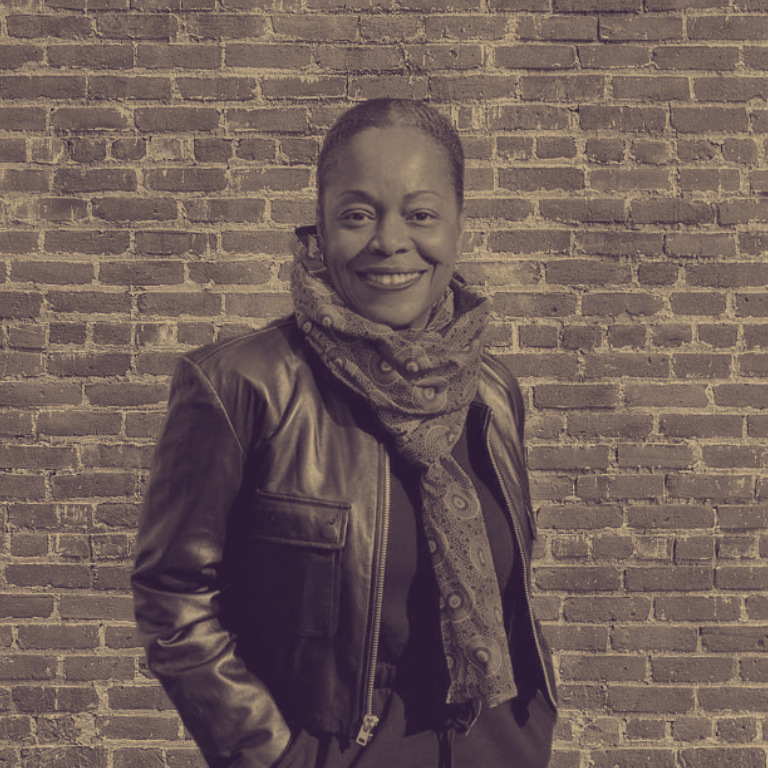
Nhadya Simone Lawes is an interdisciplinary scholar and creative professional in pursuit of the practical and the poetic in the cultural sector. She was born and raised in South Florida. With an orientation toward Black geographies, Nhadya is grounded and guided by themes of home- and place-making, in the wake of displacements, disenfranchisement, and other intimacies of migration. Her current research is focused on “infrastructures for Black being,” exploring the historic and contemporary spatial justice practices of diasporic populations — within, parallel, or detached from institutions of formal state governance and economies — as well as the architectural or embodied ways that Black life worlds “make home” in the city. Such infrastructures, centering Black being, are spatial experiments of/ in aspirational wake work, after scholar Christina Sharpe, who describes wake work that “keeps breath in the Black body”.
Nhadya was previously a Program Officer for the Arts at the Knight Foundation in Miami, FL supporting grantmaking and strategy. Additionally, she served as a Community Grants panelist for Miami-Dade County Department of Cultural Affairs, and co-curated the exhibition "As We Move Forward" at the University of Massachusetts, Amherst (2024) with Juana Valdés. Awards include Communicating the Arts’ 30UNDER30 cohort (2024), Legacy Miami’s 40 Under 40 (2023), and Queen Mary University of London’s Azeezat Johnson Prize (2022).
A University of Miami (UM) graduate with a BA in English Literature and minors in Sociology, Art History and Black Studies, Nhadya is currently doing research on Black artist-led citymaking and local artists as archives for Black space and place.
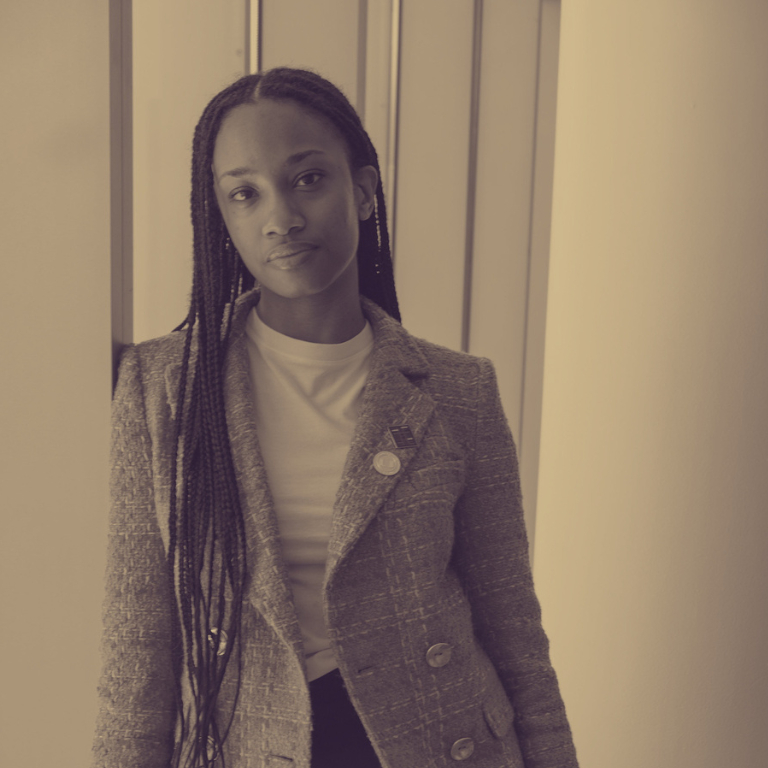
Allison Harris is an Assistant Professor of English at the University of North Carolina Wilmington. Her work explores racial formation and place, especially through the literary geography of the US South, Appalachia, and the Caribbean, emphasizing the cross-racial solidarity of resistance in these regions. She co-edited the 2020 collection “Looking for Black Miami: Black Intellectual and Artistic Formations” with Donette Francis in Anthurium; and Still Here: Generations of Black Miami Visual Artmaking with Donette Francis and Nhadya Lawes; and has published in Record, Document, Archive: Constructing the South Out of Region; Routledge Companion to Literature of the U.S. South; ASAP/Journal; and MELUS Journal. Her 2023 essay “Indian Removal and the Plantation South: Cherokee Present-Absence in Three Neo-Slave Narratives,” was awarded the 1921 Prize for Tenure-Track Faculty by the American Literature Society. She is a child of the South, having traversed Florida, Georgia, Tennessee, South Carolina, and North Carolina, with roots in Alabama and Arkansas.
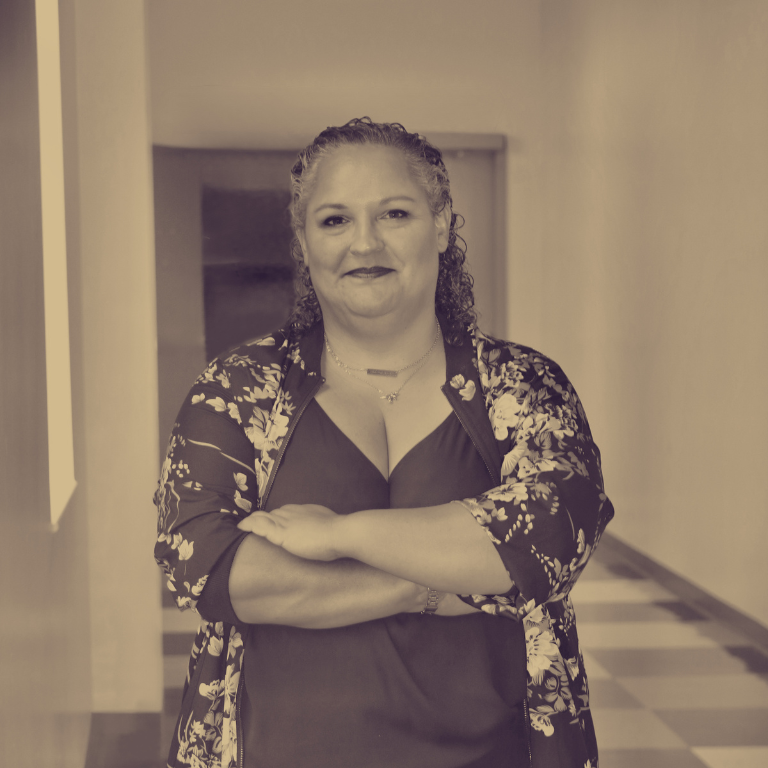
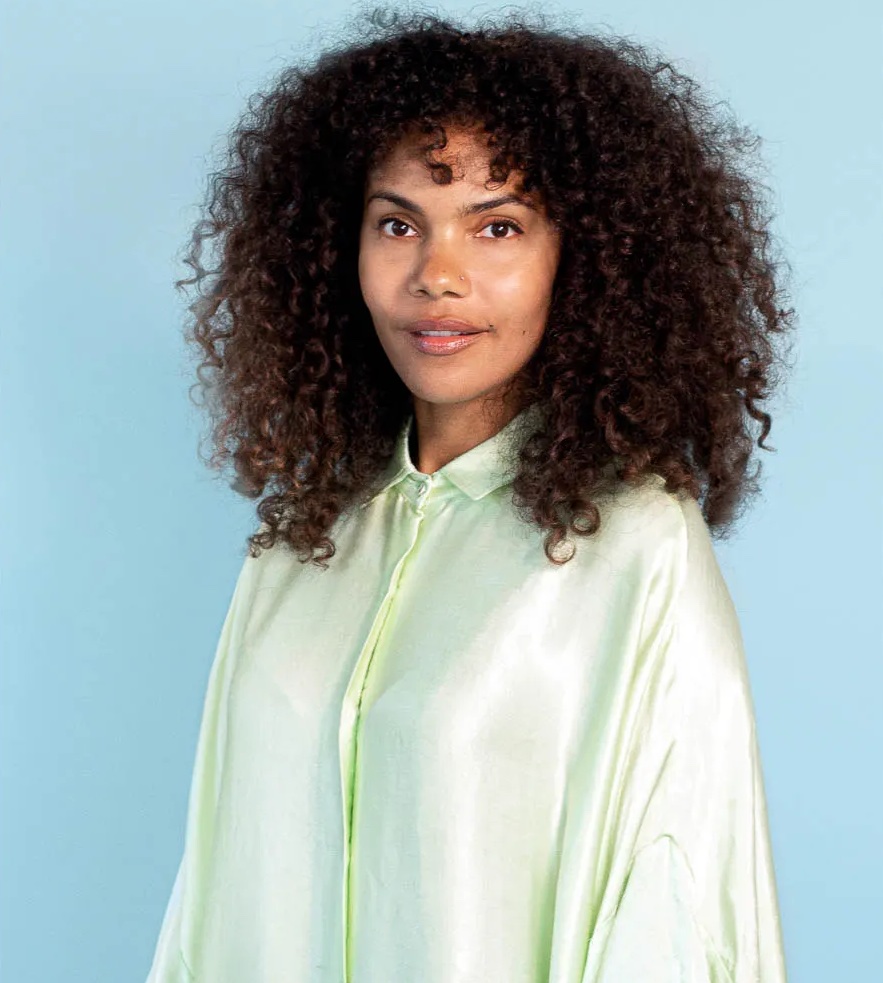
Dejha Carrington is a community practitioner and administrator in the arts. In 2017, she co-founded Commissioner, a collaborative program that helps people support and collect the work of contemporary artists in their cities. As Executive Director, Dejha has introduced Commissioner in Miami, Detroit, New York, Montreal, Mexico City, and New Orleans, cultivating a growing network of emerging patrons. Additionally, she serves as a professional advisory member of Miami-Dade Art in Public Places, the New York University Center for Black Visual Culture's Black Rest Project, and teaches at the New World School of the Arts at Miami-Dade College. She was a CGBS Creative Futures Fellow 2025-26 and co-convener of Still Here, 2023.

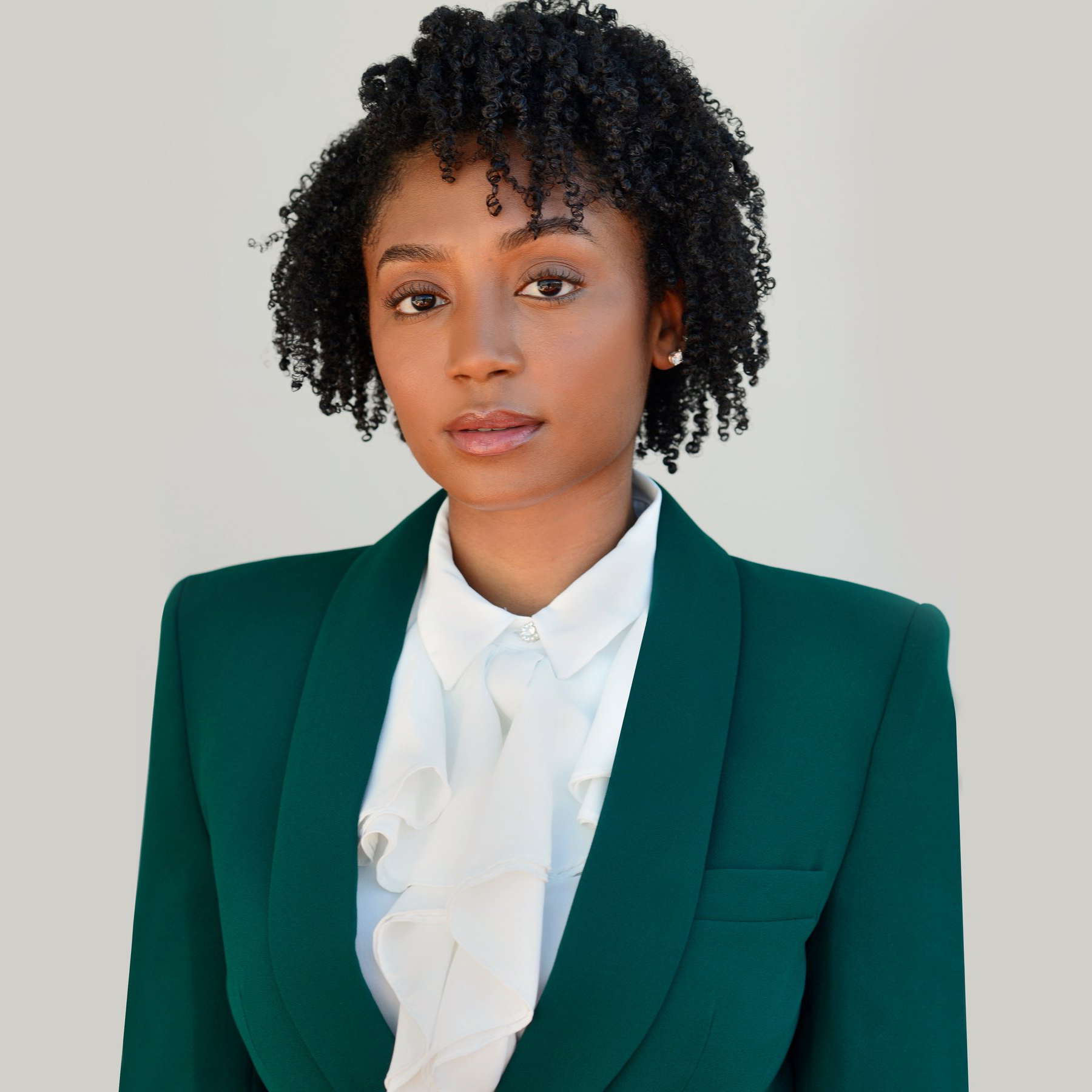
Mysia Anderson-White is an assistant professor of Black Performance Theory in the Department of Theatre and Dance at the University of California, San Diego. Mysia brings an actor’s discipline and versatility to her scholarly and creative work and tells stories that draw on the depth, resilience, and creative visions of the African Diaspora. Born and raised in Miami, her forthcoming manuscript, Black Miami in the Eye of the Storm: Performing Black Sustainability, examines performances of Black endurance and rootedness in the city. In Fall 2025, Mysia was a visiting professor in Theatre Arts at the University of Miami and CGBS Creative Futures Fellow. She also served as co-convenor of Theorizing Black Miami, 2024.
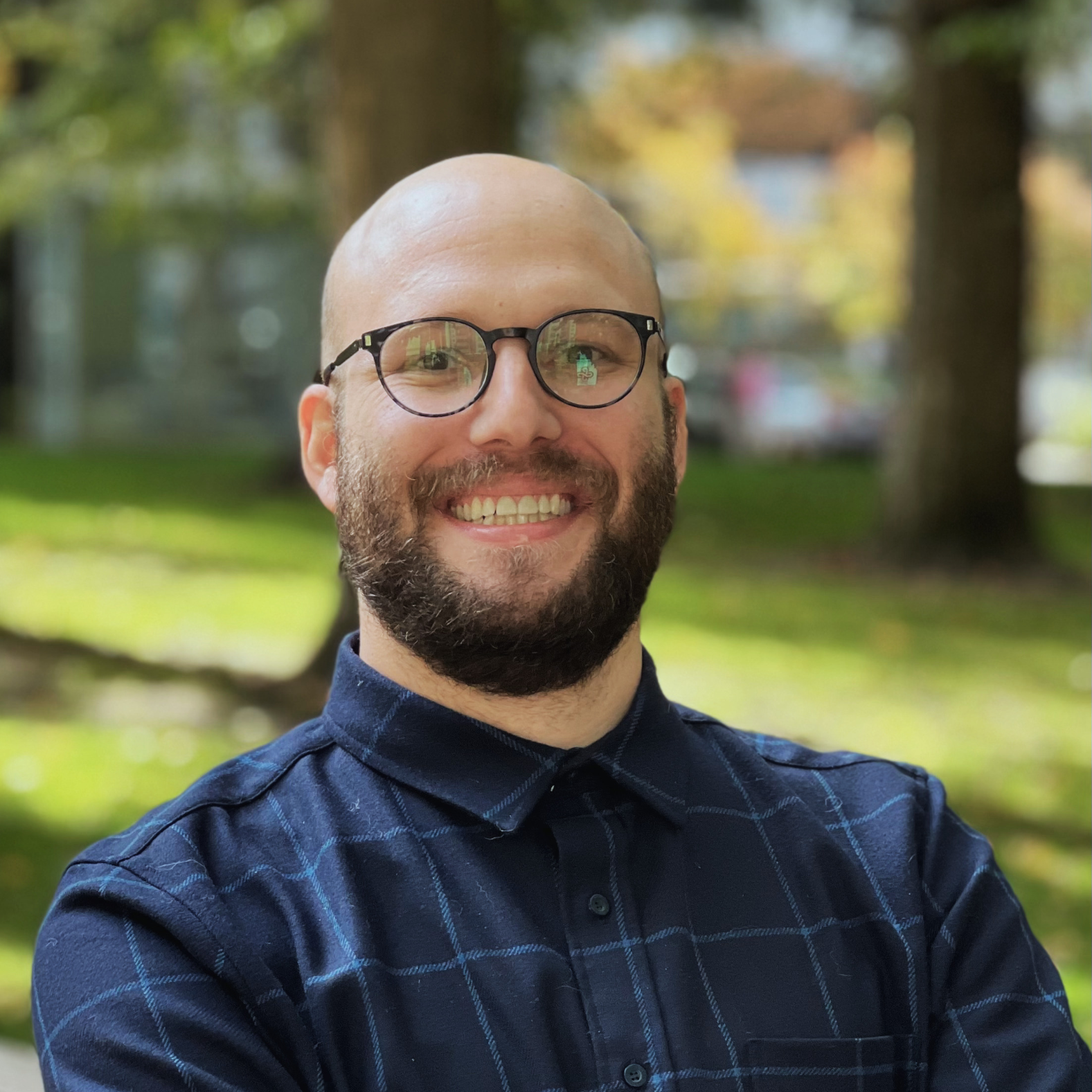
Ben Mendelsohn is a documentary filmmaker and media scholar interested in the intersections of critical urban studies, media theory, and coastal ecology. His article, "Making the Urban Coast: A Geosocial Reading of Land, Sand, and Water in Lagos, Nigeria” appeared in the December 2018 issue of Comparative Studies of South Asia, Africa, and the Middle East and his film criticism has appeared in The Brooklyn Rail and Public Books, among others. His most recent documentary film, As If Sand Were Stone..., screened at the Rockaway Film Festival and Northwestern University's Block Museum. With colleagues at the Block, he has also initiated the "Desktop Cinema Working Group," a transnational collaborative of filmmakers, scholars, and curators investigating the use of computer screen capture in contemporary film and visual culture. He joined the School of Film following a Mellon Postdoctoral Fellowship in Environmental Humanities at the University of Pennsylvania.
Nadege Green is the founder of Black Miami-Dade, a history and storytelling platform that resists the erasure of Miami's Black past. She is also the Director of Community Research and Storytelling at the Community Justice Project, Inc. An independent researcher, writer, editor and community activist, Nadege was born and raised in Miami-Dade county to Haitian immigrant parents. As a Creative Futures Fellow during the 2021-22 academic year, Nadege was hosted by the University of Miami's School of Communication. She curated the historic Give Them Their Flowers, 2024.
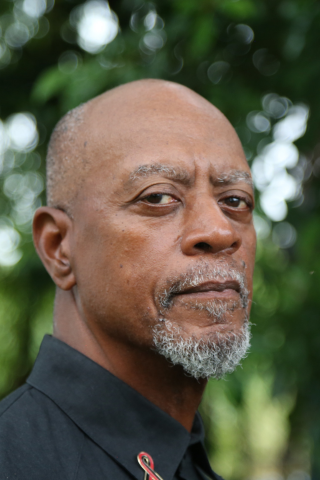
A nationally acclaimed painter, printmaker, draftsman, muralist and educator, Charles E. Humes, Jr. has been a professional fine artist for over forty years. Miami born, Humes comes from a rich family heritage of the Grand Turks, Exuma, and the Eleuthera Islands of the Bahamas. During his 2022-23 academic year, Humes was the CGBS Creative Futures Fellow and hosted by the Department of Art & Art History in the College of Arts & Sciences. Charles was also a participant in the Still Here, 2023.
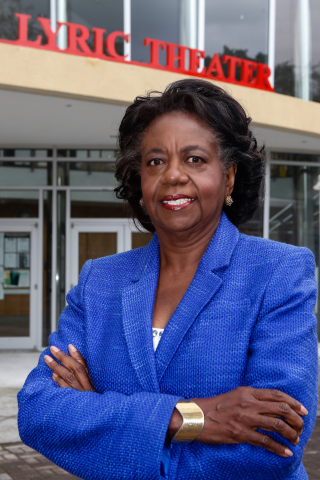
Dorothy Fields, a native Miamian, is the founder of The Black Archives, History & Research Foundation of South Florida, Inc., a community repository. She saved the Lyric Theater and numerous other buildings in Miami’s Overtown from destruction. A Librarian, Reading Teacher, Public Historian, Certified Archivist, Historic Preservationist and Journalist, she began the movement to preserve the memory and landscape of Black Miami-Dade County. As the 2024-25 CGBS Creative Futures Fellow, Dr. Fields was hosted by the University of Miami Libraries.
https://www.bahlt.org/about/meet-the-founder
https://www.thehistorymakers.org/biography/dorothy-fields-41
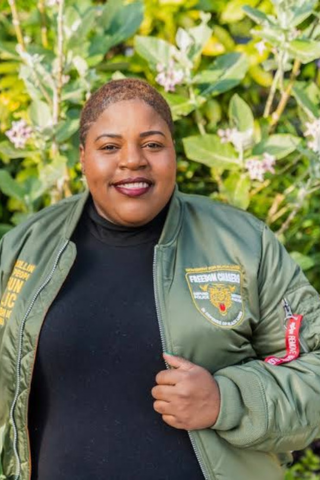
Valencia Gunder is a Miami native, Valencia "Vee" Gunder is the Criminal Justice Program Manager at the New Florida Majority, Founder of the Smile Trust Inc., formerly known as Make the Homeless Smile Miami and Atlanta, Co-Founder of The Black Collective and National Organizing lead of the RBG New Deal at M4BL. As Creative Futures Fellow during the academic year of 2023-24, Valencia was the CGBS Creative Futures Fellow and hosted by the University of Miami Law School's Human Rights Program.
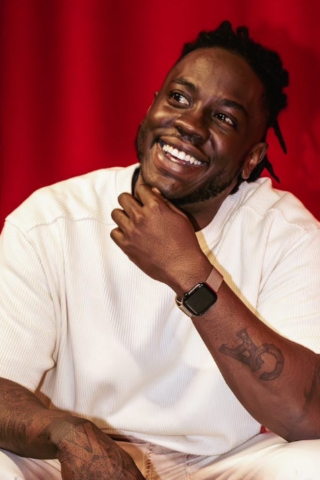
Demar Matthews is a Los Angeles based architectural designer and founder/Principal of OffTop Design. Born in Moreno Valley, CA. Demar received his Bachelor's from HBCU Lincoln University and completed his Masters of Architecture at Woodbury University, where he was awarded the Graduate Thesis Prize for his project 'Black Architecture: Unearth-ing the Black Aesthetic'. His introduction to the field was through his article 'A Black Architecture Education Experience' in Archinect. In the Spring and Fall of 2025, Demar was a visiting professor for the University of Miami’s School of Architecture and the CGBS Social Justice in Design Fellow and is a Creative Futures Fellow.
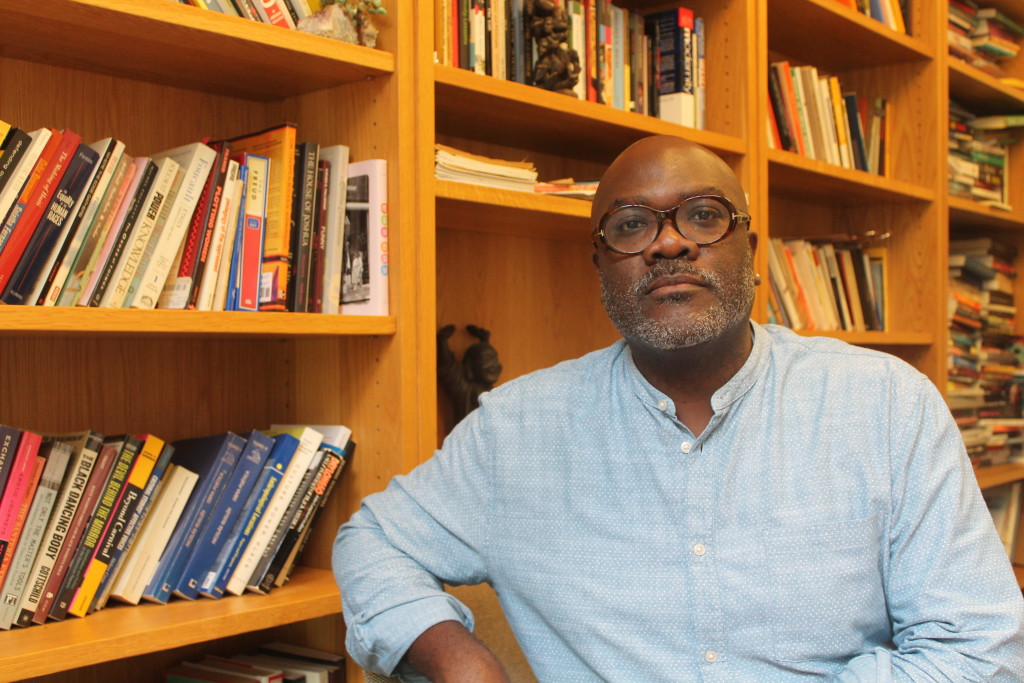
Jafari Sinclaire Allen is Professor of African American and African Diaspora Studies, in the Department of African American and African Diaspora Studies (AAADS) at Columbia University, where he is the Director of the Institute for Research in African American Studies (IRAAS), and Editor-in-Chief of Souls: A Critical Journal of Black Politics, Society, and Culture. His latest book, There’s a disco ball between us: a theory of Black gay life was published by Duke University Press in 2022. A social-cultural anthropologist and critical ethnographer by doctoral training, Dr. Allen’s work pursues generative connections and disarticulations among anthropology, feminist and queer studies, and Black studies, through a re-signification of the methodologies, theories, politics, and habits of mind of each of these sites. Engaged in ethnographic research in Cuba and the Caribbean since 1998, he has transnational research interests in a number of other sites in the Americas. Recent research has also taken him to East Africa and Western Europe. Professor Allen is also the author of ¡Venceremos?: The Erotics of Black Self-Making in Cuba; editor of Black/Queer/Diaspora; and “The Anthropology of ‘What is Utterly Precious’: Black Feminists, Black Queer Habits of Mind, and the ‘Object’ of Ethnography,” in the forthcoming Unsettling Queer Anthropology: Foundations, Reorientations, and Departures, edited by Margot Weiss.
Dr. Allen was the Principal Investigator of the Mellon Foundation-supported Miami Initiative on Global Black Studies (2019), which catalyzed the creation of the University of Miami Center for Global Black Studies, which he founded and co-directed (with Dr. Donette Francis). Prior to the founding of the Center for Global Black Studies, Allen was Director of the Program in Africana Studies, Associate Professor of Anthropology, and affiliated faculty in the Program in Gender and Sexuality Studies at University of Miami. While Africana Studies director, he also briefly chaired University of Miami’s Standing Committee on Diversity, Equity and Inclusion. While an Associate Professor of Anthropology and African American Studies at Yale University, Dr. Allen also taught ‘A Genealogy of Black LGBTQ Politics and Culture’ as a Visiting Associate Professor of Sociology at his alma mater, Morehouse College. Educated in New York City Public Schools, he graduated from Springfield Gardens High School in Queens, NY in 1986. An alumnus of Morehouse College (1990) and New York University (1998), he earned a PhD in Social-Cultural Anthropology at Columbia University in 2003.
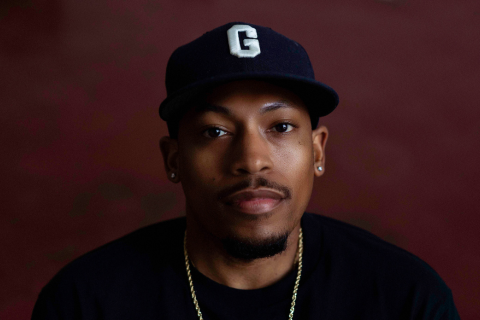
Germane Barnes is the Principal of Studio Barnes, and Associate Professor and Director of the Master of Architecture Graduate Program at the University of Miami School of Architecture as well as the Director of the Community Housing & Identity Lab (CHIL). Barnes’ practice investigates the connection between architecture and identity, examining architecture’s social and political agency through historical research and design speculation. Believing strongly in design as a process, he approaches each condition imposed on a project as an opportunity for transformation.
Born in Chicago, IL Germane Barnes received a Bachelor's of Science in Architecture from the University of Illinois at Urbana-Champaign and a Master of Architecture from Woodbury University where he was awarded the Thesis Prize for his project Symbiotic Territories: Architectural Investigations of Race, Identity, and Community.
His work has recently been exhibited in the Museum of Modern Art’s groundbreaking 2021 exhibition, Reconstructions: Architecture and Blackness in America, and the 2021 Chicago Architecture Biennial. He was a winner of the 2021 Architectural League Prize for Young Architects and Designers, and is a 2021-2022 Rome Prize Fellow at the American Academy in Rome. He was selected in the inaugural cohort of The Dorchester Industries Experimental Design Lab created by Theaster Gates and sponsored by Prada. His work has also been featured and acquired to the permanent collections of international institutions most notably MAS Context, Milan Design Week, San Francisco MoMA, LACMA, The Art Institute of Chicago, The New York Times, Architect Magazine and The National Museum of African American History and Culture where he was identified as one of the future designers on the rise. His project, Griot, was widely published, as a participant in Biennale Architettura 2023, Laboratory of the Future.
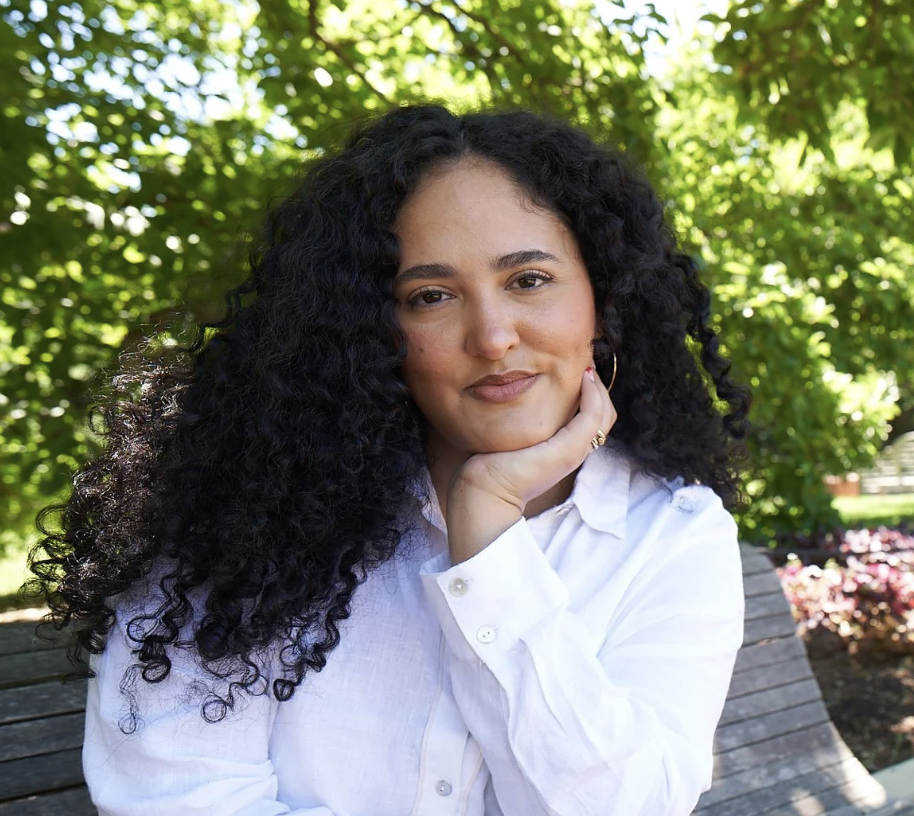
Dr. Melanie Y. White is an Assistant Professor of Afro-Caribbean Studies in the Department of Black Studies and the Women's and Gender Studies Program at Georgetown University. For the spring 2026 semester, she is a Visiting Assistant Professor and Black Miami Studies Fellow at the Center for Global Black Studies and in the Department of English and Creative Writing at the University of Miami. Her research explores how Black communities in Caribbean Central America have confronted racialized and gendered colonial violence and forged pathways of sovereignty and belonging across shifting colonial and national landscapes. Her first book manuscript, tentatively titled Sovereign Mosquitia: Intimate Coloniality and Afro-Indigenous Women’s Refusal, traces Black, Indigenous, and Afro-Indigenous women's anti-colonial performance, visual culture, and political organizing on the Miskitu Coast from the colonial period to the present. The book reveals how intimate colonial violence has deeply shaped the imperial borderlands of the far western/Central American Caribbean, as well as how Mosquitian women have crafted a vision for the region rooted in intimate, rather than settler, sovereignty. More broadly, her research and teaching interests include hemispheric Black feminisms; Afro-Caribbean, Central American, and Latinx art and literature; digital humanities and archival practices; and familial and personal narratives as frameworks for anticolonial criticism.
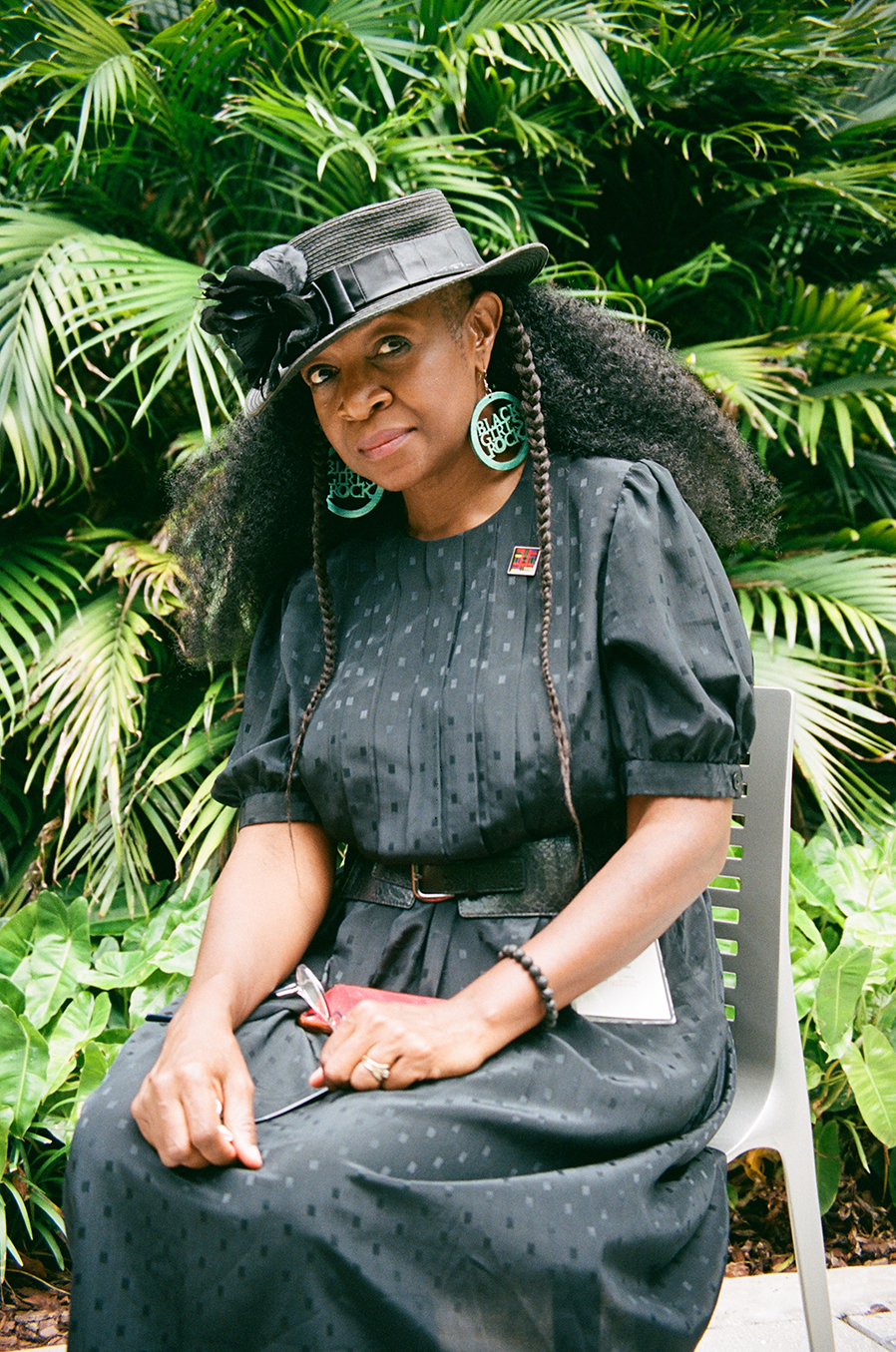
Sharony Green, a multi-hyphenate storyteller, is a native of Miami, Florida, with roots in Georgia, Mississippi and the Bahamas. She began her life in Coconut Grove before her family relocated north to then-Carol City when she was in grade school. Following her 1989 graduation from the University of Miami, where she majored in Broadcast Journalism and Political Science in School of Communications, she began working as a journalist for The Miami Herald and later, at sister-papers in Detroit and Columbus, Georgia. Amid changes in the newspaper industry, she earned an MA in Dance and Related Studies (History, Film and Theatre) at UNC-Greensboro and a PhD in History at the University of Illinois. She has written four books including The Chase and Ruins: Zora Neale Hurston in Honduras (John Hopkins University Press, 2023). Her first book Cuttin’ the Rug Under the Moonlit Sky: Stories and Stories About a Bunch of Women Named Mae (1997) was adapted for a 2005 choreopoem that premiered at the Broach Theatre in Greensboro, NC. In 2020, she was awarded PEN America/Jean Stein Grant for Literary Oral History for an oral history project on the Baa Haas, a once little-known community in northwest Miami-Dade County.
Sharony is also a visual artist and screenwriter whose work has placed in several noteworthy competitions including Stowe Story Labs. She is also an Associate Professor of History at the University of Alabama.
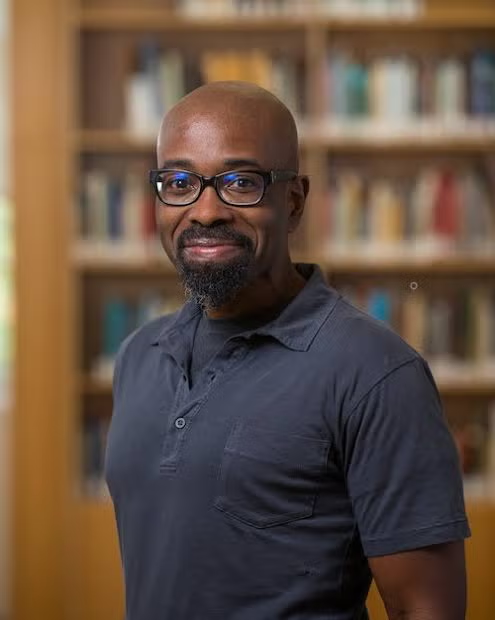
Kevin Quashie teaches black cultural and literary studies and is a professor in the department of English. Primarily, he focuses on black feminism, queer studies, and aesthetics, especially poetics. He is the author or editor of four books, most recently The Sovereignty of Quiet: Beyond Resistance in Black Culture (2012) and Black Aliveness, or A Poetics of Being (2021). Black Aliveness has been awarded two prizes: the James Russell Lowell Prize from the Modern Language Association (2022) and the Pegasus Award for Poetry Criticism from the Poetry Foundation (2022). Currently, he is thinking about literary criticism as a form of estrangement and consolation or, said another way, he is thinking about the workings and potency of black sentences.
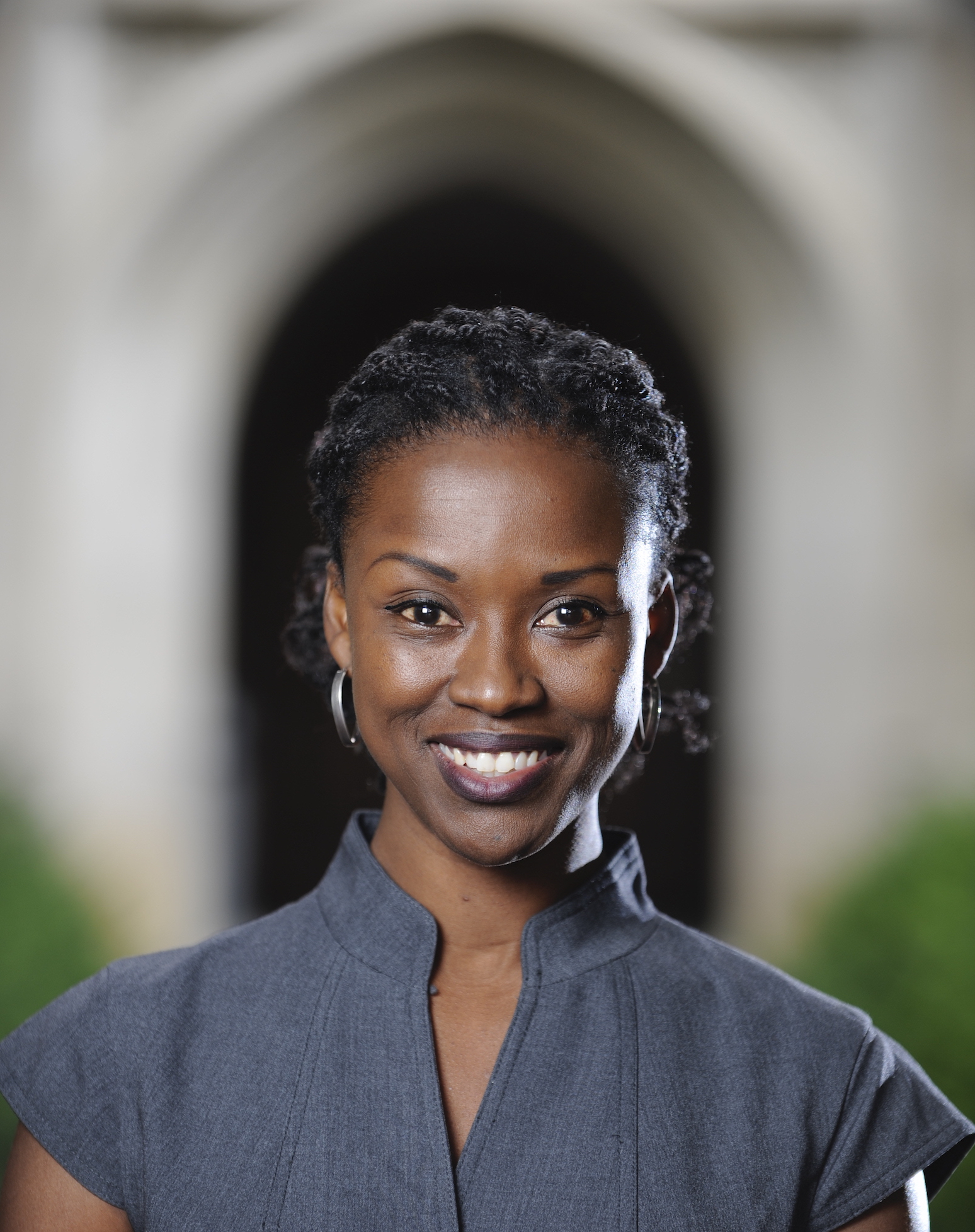
Dr. Jemima Pierre is Distinguished Faculty of Arts Professor of African and African Diaspora Studies in the Social Justice Institute (GRSJ). She is also a Research Associate at the Johannesburg Institute for Advanced Study (JIAS). Trained as a sociocultural anthropologist in the African Diaspora Program at the University of Texas, Austin, her research and teaching engages with Africa and the African diaspora across three broad areas of inquiry: 1) the relationship of political economy to race, as articulated through capitalism, white supremacy, and imperialism; 2) migration, transnationalism, and diaspora; and 3) the ethics and politics of western knowledge production and disciplinary formation.
Dr. Pierre has published widely; her essays and articles have examined the racial history of the discipline of anthropology, race and colonialism, theories of the African diaspora, the cultural politics of racial formation in Africa, Western resource extraction in Africa, and the history and politics of U.S. imperialism in Haiti and the Caribbean. She is also the author of The Predicament of Blackness: Postcolonial Ghana and the Politics of Race (University of Chicago Press). The Predicament of Blackness was winner of the 2014 Elliot Skinner Book Award in Africanist Anthropology and long listed for the 2013 OCM – BOCAS Literary Prize. She is co-editor of the volumes The Anthropology of White Supremacy (Princeton University Press) and The Cambridge Handbook for the Anthropology of Race and Ethnicity (Cambridge University Press). Her next book, titled Of Natives, Ethnics, and True Negroes: A Counter-History of Anthropology, will be published in 2026. Born in Gros Morne, Haiti and raised in Miami, Florida.
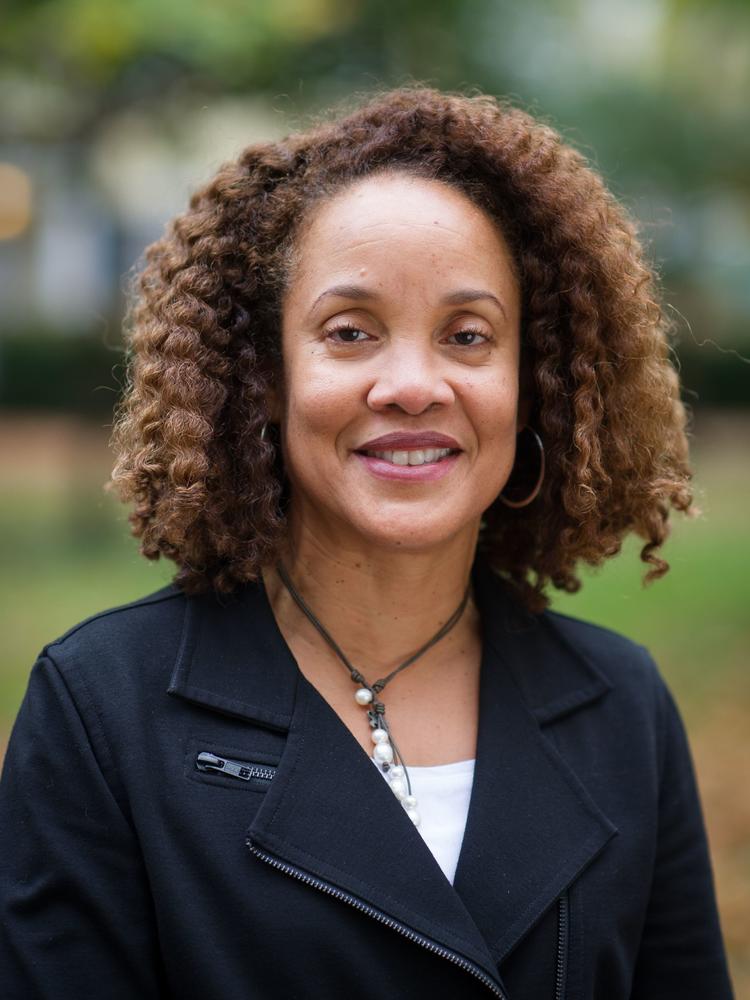
Tera W. Hunter is the Edwards Professor of American History and Professor of African-American Studies, a specialist in the 19th and 20th centuries. Her research focuses on gender, race, labor, and Southern histories.
Bound in Wedlock: Slave and Free Black Marriage in the Nineteenth Century (Belknap Press of Harvard University Press, 2017) is her latest book. It is the winner of the Stone Book Award, Museum of African American History; Mary Nickliss Prize, Organization of American Historians; Joan Kelly Memorial Prize, American Historical Association; Littleton-Griswold Prize, American Historical Association; and The Deep South Book Prize, Frances S. Sumersell Center for the Study of the South. It was a finalist for the Lincoln Prize, Gettysburg College and the Gilder Lehrman Institute; and the Longman-History Today Book Prize. Her first book, To ‘Joy My Freedom: Southern Black Women’s Lives and Labors After the Civil War, was awarded the H. L. Mitchell Award in 1998 from the Southern Historical Association, the Letitia Brown Memorial Book Prize in 1997 from the Association of Black Women’s Historians and the Book of the Year Award in 1997 from the International Labor History Association. The book was also named an Exceptional Book of 1997 by Library Booknotes, Bookman Book Review Syndicate.
A native of Miami, Professor Hunter attended Duke University where she graduated with Distinction in History. She received a M.Phil. in history from Yale University and a Ph.D. from Yale. Professor Hunter previously taught at Carnegie Mellon University and the University of North Carolina at Chapel Hill. She joined the Princeton faculty in the fall 2007. She has received numerous fellowships and grants including the National Humanities Center Fellowship (2017-2018) and a Mary I. Bunting Institute fellowship from the Radcliffe Institute for Advanced Study at Harvard University from (2005-2006).
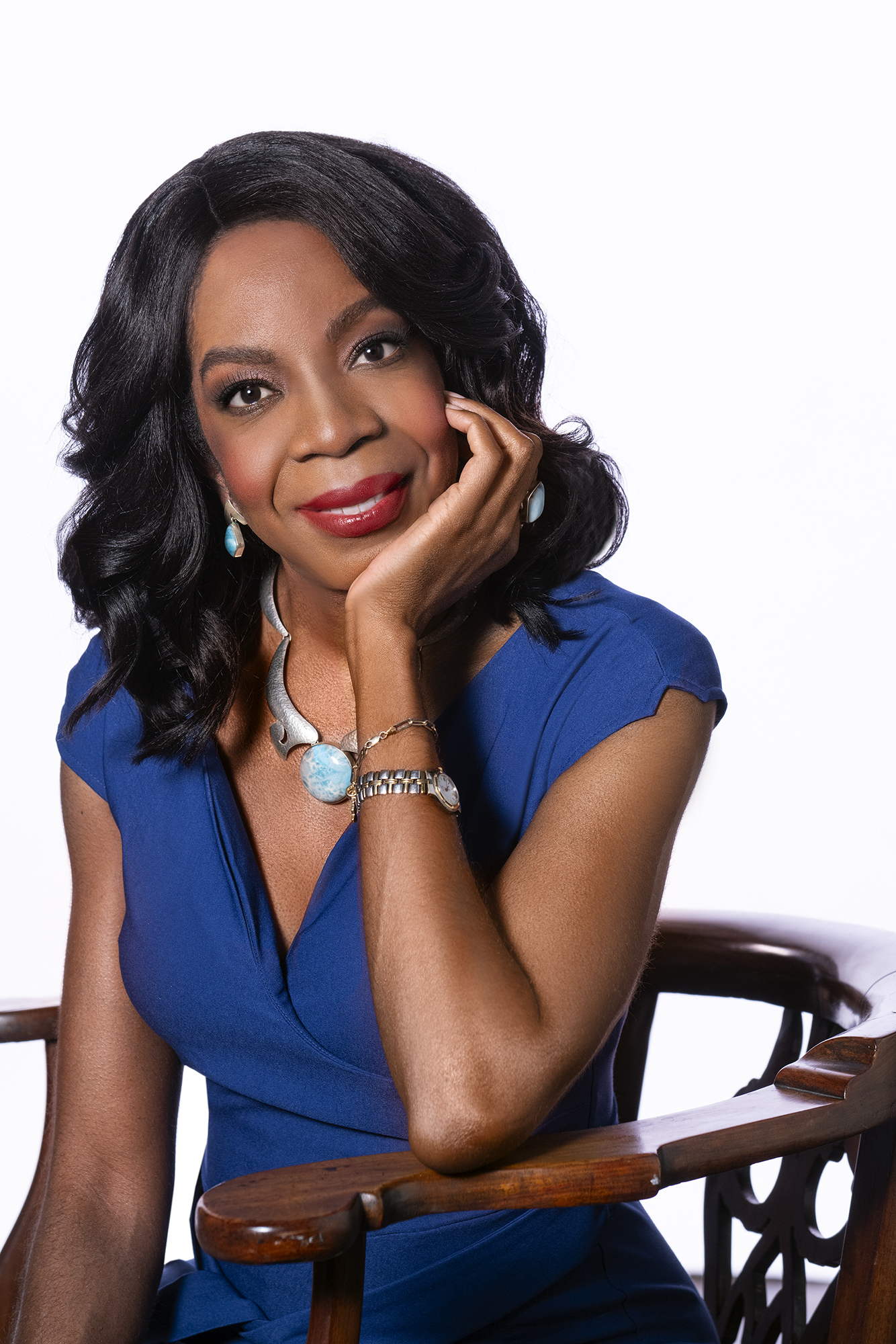
Dr. Edda L. Fields-Black is Professor in the Department of History and Director of the Dietrich College Humanities Center at Carnegie Mellon University. Her research specialty is the trans- national history of West African rice farmers, peasant farmers in pre-colonial Upper Guinea Coast and enslaved laborers on rice plantations in the antebellum South Carolina and Georgia Lowcountry. Throughout her career, Fields-Black has used interdisciplinary sources and methods to uncover the voices of historical actors in pre-colonial West Africa and the African Diaspora who did not author written sources. Fields-Black won the 2025 Pulitzer Prize in History, the 2025 Gilder Lehrman Lincoln Prize, the 2025 Tom Watson Brown Book Award, and the 2024 George C. Rogers Jr. Award for COMBEE: Harriet Tubman, the Combahee River Raid, and Black Freedom during the Civil War (Oxford University Press, trade list, February 2024).
Her research has been funded by the Ford, Mellon, Woodrow Wilson, and Annenberg Foundations as well as by the Smithsonian Museum and Fulbright-Hays. Professor Fields-Black’s has received funding from the Henry Luce Foundation Project: The Greening of Early Undergraduate Education at Carnegie Mellon and the Ewing Marion Kauffman Foundation: Institute for the Study of Entrepreneurship, Innovation and Technology, the Berkman, Faulk, and ProSEED Funds. Professor Fields-Black serves as the Faculty Advisor for Carnegie Mellon’s African and African American Studies Minor.
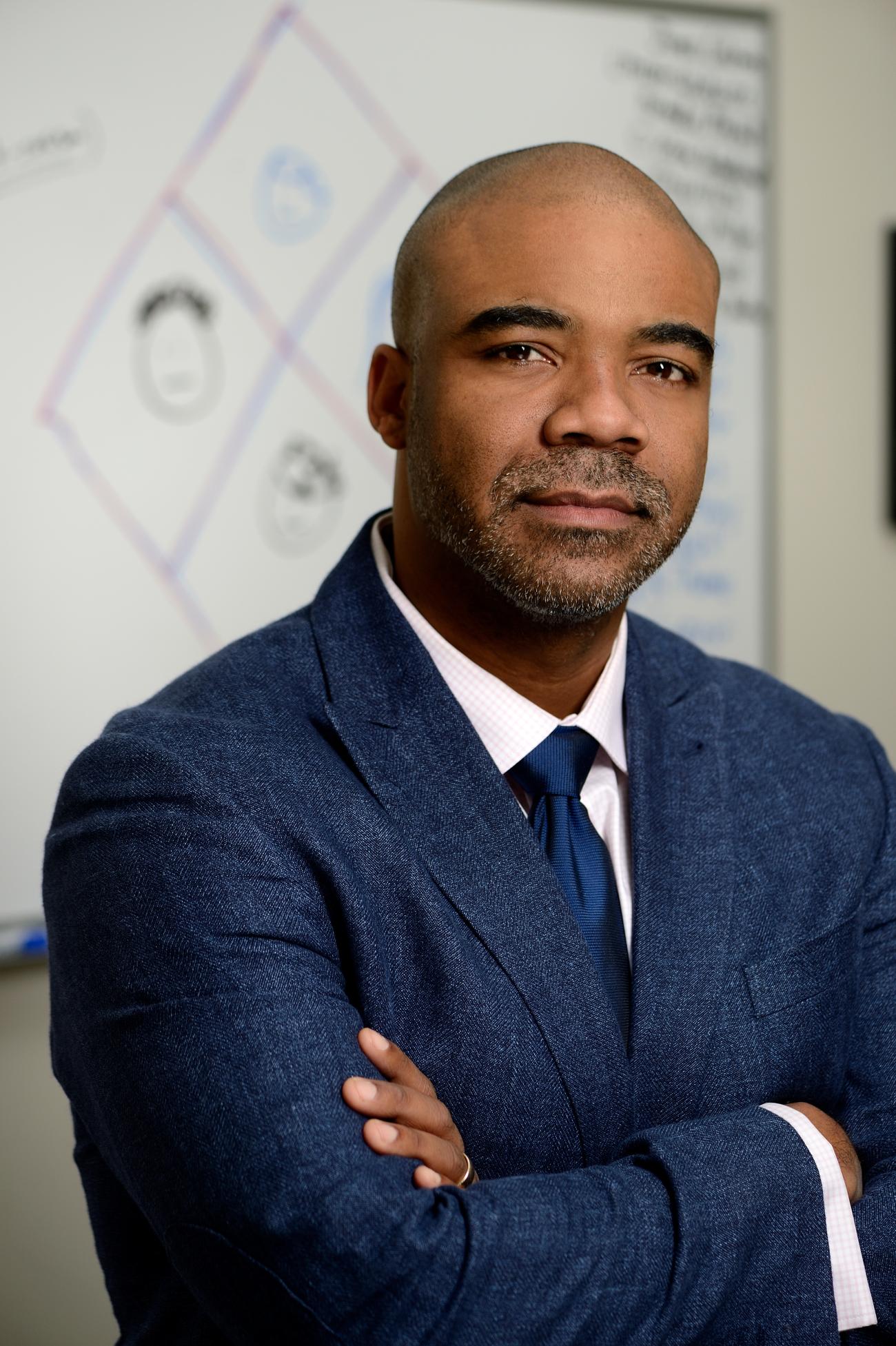
N.D.B Connolly is the Herbert Baxter Adams Associate Professor of History at Johns Hopkins University. During his career, Connolly writes about racism, capitalism, politics, cities and migration in the late-nineteenth and twentieth centuries. His work pays special attention to people’s notions of family, property and citizenship in the United States and the wider Americas.
His book, A World More Concrete: Real Estate and the Remaking of Jim Crow South Florida (University of Chicago Press, 2014) received, among other awards, the 2014 Kenneth T. Jackson Book Award from the Urban History Association, the 2015 Liberty Legacy Foundation Book Award from the Organization of American Historians, and the 2016 Bennett H. Wall Book Award from the Southern Historical Association. The book resuscitates older discussions of racism's profitability by treating Jim Crow segregation in Greater Miami as a variation on the colonial and postcolonial practices afflicting tropical populations around the world. A World More Concrete also highlights never-before-seen conflicts between tenants, urban landlords, homeowners, politicians, and property managers over how best to profit from Native Americans, Caribbean migrants, working-class whites, and the black poor.
Apart from publishing in scholarly venues, Connolly contributes frequently to public debates, including as a co-host on the weekly podcast BackStory and as Director of the Racism, Immigration, and Citizenship Program at Johns Hopkins University.
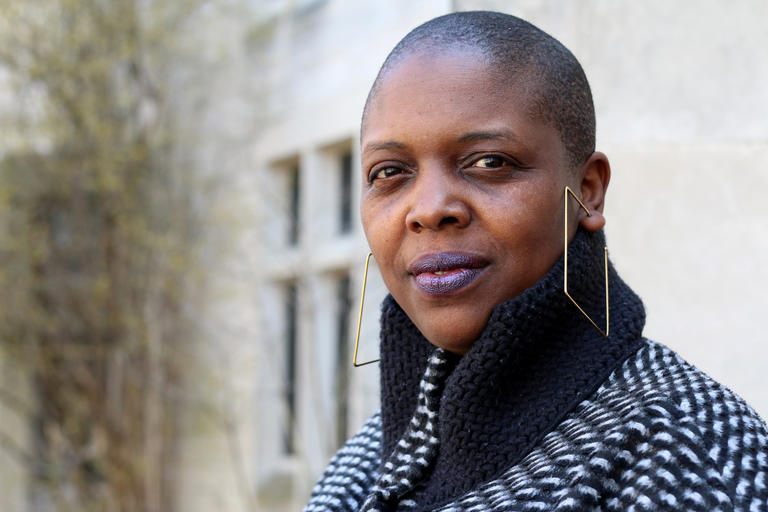
Terri Francis is Associate Professor of Cinematic Arts at the University of Miami and author of Josephine Baker’s Cinematic Prism (2021). Dr. Francis was awarded an Andy Warhol Foundation Arts Writers Grant in 2022, and from 2017 to 2021, she directed the Black Film Center & Archive at Indiana University, where she expanded the organization’s national and international relationships. In 2013, she edited a landmark special issue on Afrosurrealism for Black Camera, and she has contributed to Feminist Media Histories, Film Quarterly, and sx salon. In 2021, Francis gave the Rajiv Vaidya Memorial Lecture “Josephine Baker as a ‘Rememory’ of Global Black Cinema?” at the National Gallery of Art in Washington, DC.
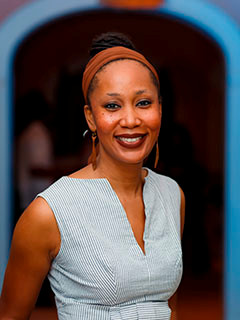
Karlisa Callwood is a faculty lecturer in the Ecosystem Science and Policy program and a marine scientist, seasoned educator, and science communicator. Working at the intersection of science, community engagement, and inclusion, Dr. Callwood’s work focuses on transforming how we view, interact with, and talk about our environment, as well as providing access to groups who have typically been excluded in STEM fields.
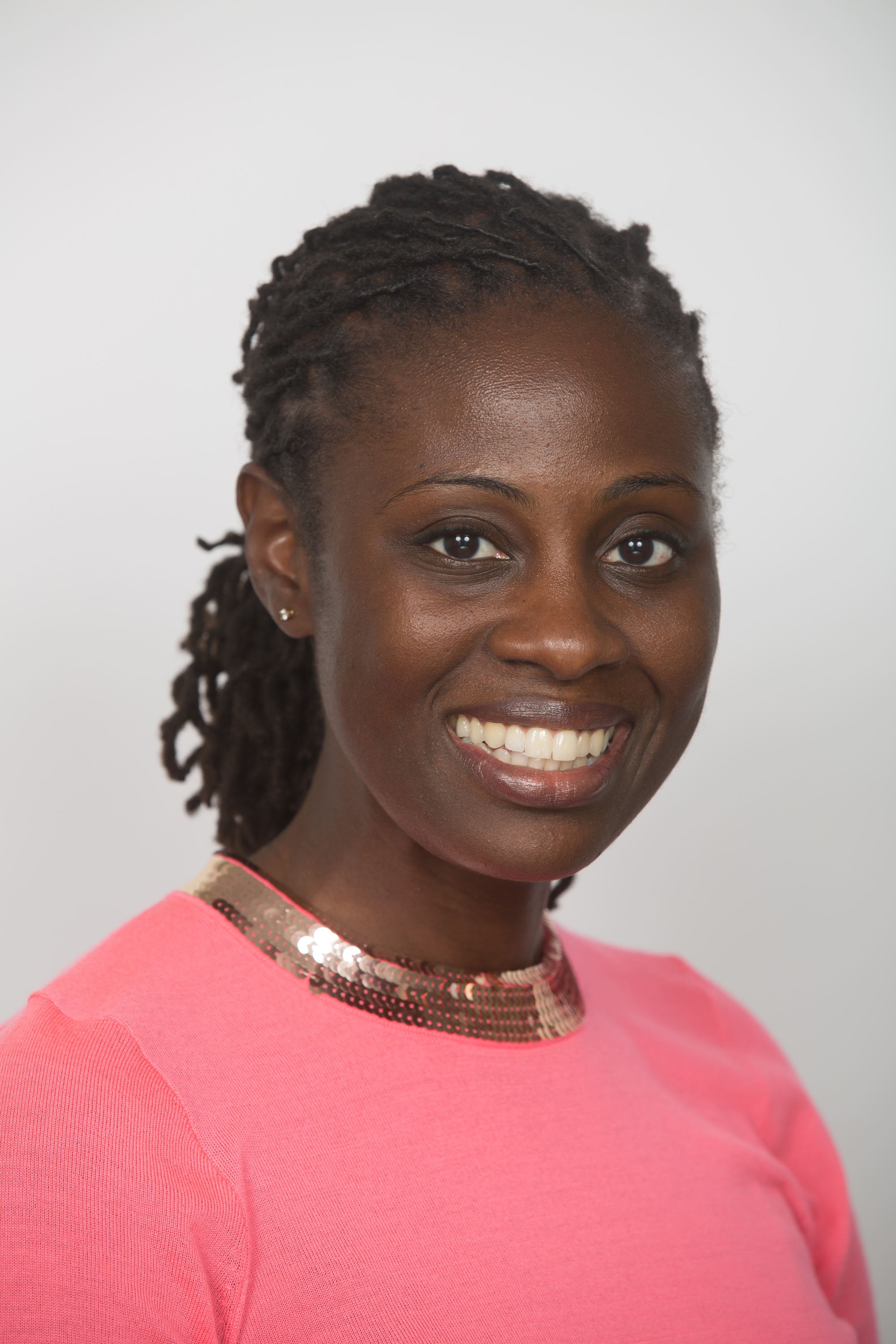
Osamudia James serves as the Henry P. Brandis Distinguished Professor of Law at UNC Chapel Hill. Her writing and teaching interests include education law, race and the law, administrative law, and torts. James is the author of numerous articles, book chapters, and popular press commentary exploring the interaction of law and identity in the context of public education. Her work has appeared in the NYU Law Review, the Michigan Law Review, and the Minnesota Law Review, among others, as well as in the pages of the New York Times and Washington Post. In 2023, James was cited in Supreme Court Justice Kentanji Brown Jackson’s Students for Fair Admissions dissenting opinion.
James received her B.A. in Sociology, cum laude, from the University of Pennsylvania, her J.D., cum laude, from the Georgetown University Law Center, and an LL.M. from the University of Wisconsin where she served as a William H. Hastie Fellow. She practiced law at King & Spalding in Washington, DC before joining the faculty at the University of Miami, where she taught for 13 years prior to joining Carolina Law. James was a 2014 co-recipient of the Derrick A. Bell, Jr. Award, a national award presented to a junior faculty member who makes an extraordinary contribution to legal education, the legal system, or social justice through activism, mentoring, teaching and scholarship. She was awarded the Hausler Golden Apple Teaching Award from Miami Law in 2017, and was also selected as a University of Miami Public Voices Fellow in 2020. In 2024, she received the Frederick B. McCall Award for Teaching Excellence from the Carolina Law graduating class.
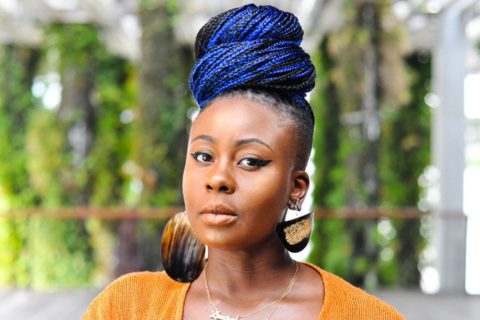
Loni Johnson is a multi-disciplinary visual artist, educator, mother and activist. As an artist, she is committed to giving back and nurturing communities with her creative gift to realize a better world. Through movement and ritual, Ms. Johnson creates healing spaces for Black women and explores how ancestral and historical memory informs how, when and where we enter and claim spaces. Born and raised in South Miami Dade County, Ms. Johnson is a graduate of New World School of the Arts (1998) and earned a Bachelor of Fine Arts from SUNY at Purchase College School of Art and Design (2003).
Selected exhibitions and performances include: As We Move Forward at Augusta Savage Gallery, Amherst MA (2024), Making Miami Design District, Miami (2023), Biscayne at Kampong Gardens, Coconut Grove (2023), Asake: a conversation with self at 74th and Collins Oolite’s Walgreens storefront, Miami Beach (2023), Remnants at Locust Projects, Miami, Making Visible: The Studio Archives of Chire Regans and Loni Johnson, WAAM at Dimensions Variable, Miami (2020); Say Their Names, Chire Regans/Vanta Black Memorial Mural Project Unveiling, Bakehouse Art Complex, Miami (2020); Performans Fanm/Global Borderless Caribbean XII: Focus Miami, Little Haiti Cultural Arts Center, Miami (2020); Homegoing, NADA Art Fair, Miami (2017); Offerings III, Bas Fisher Invitational and O’Miami, Miami (2017); Offerings II, Common Field Convening, Miami (2016).
Loni is the Lead Coordinator of Art Detectives, an arts education program rooted in the framework of Social Justice at Pérez Art Museum Miami, Prevention Coordinator of youth arts prevention program at Concept Health Systems, and Chairperson for the National Visual Arts Selection Panel for YoungArts, the national foundation for the advancement of artists. She is also one of the founders of Miami Melanated Arts, a collective of Black artists who are creating space to reimagine what effective and impactful Arts ecosystems in South Florida could be.
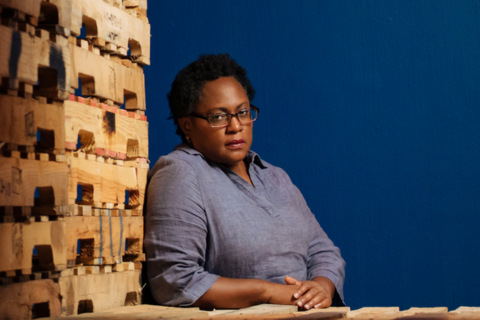
Juana Valdés uses printmaking, photography, sculpture, ceramics, and site-specific installations, to explore issues of race, transnationalism, gender, labor, and class. Functioning as an archive, Valdes’s work analyzes and decodes experiences of migration as a person of Afro Caribbean heritage. Born in Pinar del Rio, Cuba, Valdes came to the United States in 1971. She received her BFA in Sculpture from the Parsons School of Design (1991), her MFA in Fine Arts from the School of Visual Arts (1993) and attended the Skowhegan School of Painting & Sculpture (1995). For the past ten years, she has served as a professor of Print Media in the Art Department at the University of Massachusetts Amherst, where her impact as an educator is evident in the artistic development, technical rigor, and critical growth of her students. Through installations, public works, and sculpture, Valdés creates living archives that excavate histories of migration, memory, labor, and resistance embedded in the materials of everyday life. Whether working with bone china, bathymetric mapping, textiles, or public infrastructure, she seeks not only to preserve history, but to activate it, making obscured legacies visible and challenging institutional silences. Her work remains visually expansive, politically engaged, and deeply rooted in diasporic experience. Juana was named a Guggenheim Fellow in Fine Arts in 2026.
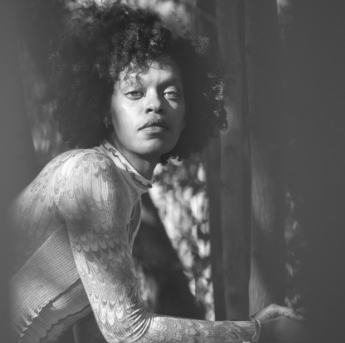
Faren Humes is a filmmaker from Miami and Sanderson, Florida melding narrative and documentary conventions to explore and invoke Black continuation. Humes’ work has screened at Miami Film Festival, Blackstar Film Festival, New Orleans Film Festival, Pan African Film Festival, Chicago Int’l Film Festival and the Mobile Museum of Art; with recognition from the Directors Guild of America and the Television Academy of Arts and Sciences. Her latest work, Liberty, is the Jury Award winner for Best Short at the Berlinale’s Generation 14+, SXSW and Miami Film Festival. She is the recipient of the Sundance-Knight Fellowship (2016), Film Independent Project Involve Directing Fellowship (2018), Chaz & Roger Ebert Fellowship (2018), and Borscht Fellowship (2018). Faren was named one of Miami’s Top 100 Creatives by Miami New Times. She is currently in residence at Oolite as she furthers a body of work concerning displacement in Liberty City, Miami, FL. Faren was a 2021 Guggenheim Fellow and a 2021-22 Fellow at the Harvard Radcliffe Institute.
Chire Regans, also known as VantaBlack, is a proud mother, visual artist, truth-teller, and community advocate. Her practice centers on drawing from life and portraiture. The epidemic of gun violence in Miami-Dade County and the emergence of the Black Lives Matter movement pushed her art in the direction of social awareness and change. Regans began a series of memorial portraits of victims of violence here and beyond. This series, which Regans categorizes as Social Commentary Art, began with five portraits and now includes over 200 portraits of victims and their stories. Born in Saint Louis, Missouri, she relocated with her family to the city of South Miami, Florida in the late 1980s. She is a graduate of Florida A&M University. Regans serves on the Miami-Dade Community Relations Board’s Criminal Justice and Law Enforcement Committee and works as a teaching artist at PAMM. She lives in Goulds.
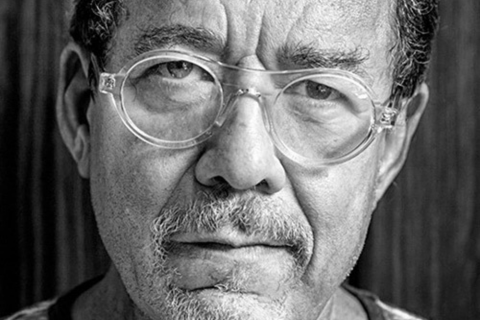
Edouard Duval Carrié a contemporary artist and curator based in Miami, Florida. Born and raised in Haiti, Duval Carrié fled the regime of “Papa Doc” Duvalier as a teenager and subsequently resided in locales as diverse as Puerto Rico, New York, Montreal, Paris and Miami. His artistic sensitivity renders the multifaceted identities that form his native Haiti. Working with a range of materials, most recently the translucent and reflective mediums of glitter, glass, and resin, Duval Carrié’s mixed media works and installations present the human and spiritual features of migrations and transformations. At heart, Duval Carrié is an educator who challenges viewers to make meaning of dense iconography derived from Caribbean history, politics, and religion. His art practice complicates the Western Canon by asking viewers to consider how Africa has shaped the Americas, and how the Caribbean has shaped the modern world.
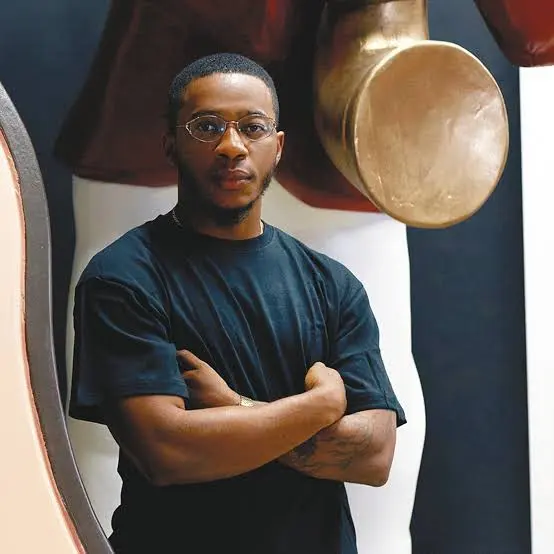
Reginald O’Neal began painting in 2012. Soon after he met his friend and mentor, Alejandro Dorda, who would teach him classically. In 2014, L.E.O. took his first trip to Europe to complete murals in Austria, Norway, and Spain, as well as exhibit in a collective show alongside his teacher in Berlin, Germany. In the years since, Reggie has focused on canvas work, residencies, and murals that embody his community surroundings, experiences and beliefs. Reginald O’Neal (L.E.O.) (Miami, Florida 1992) Overtown neighborhood.
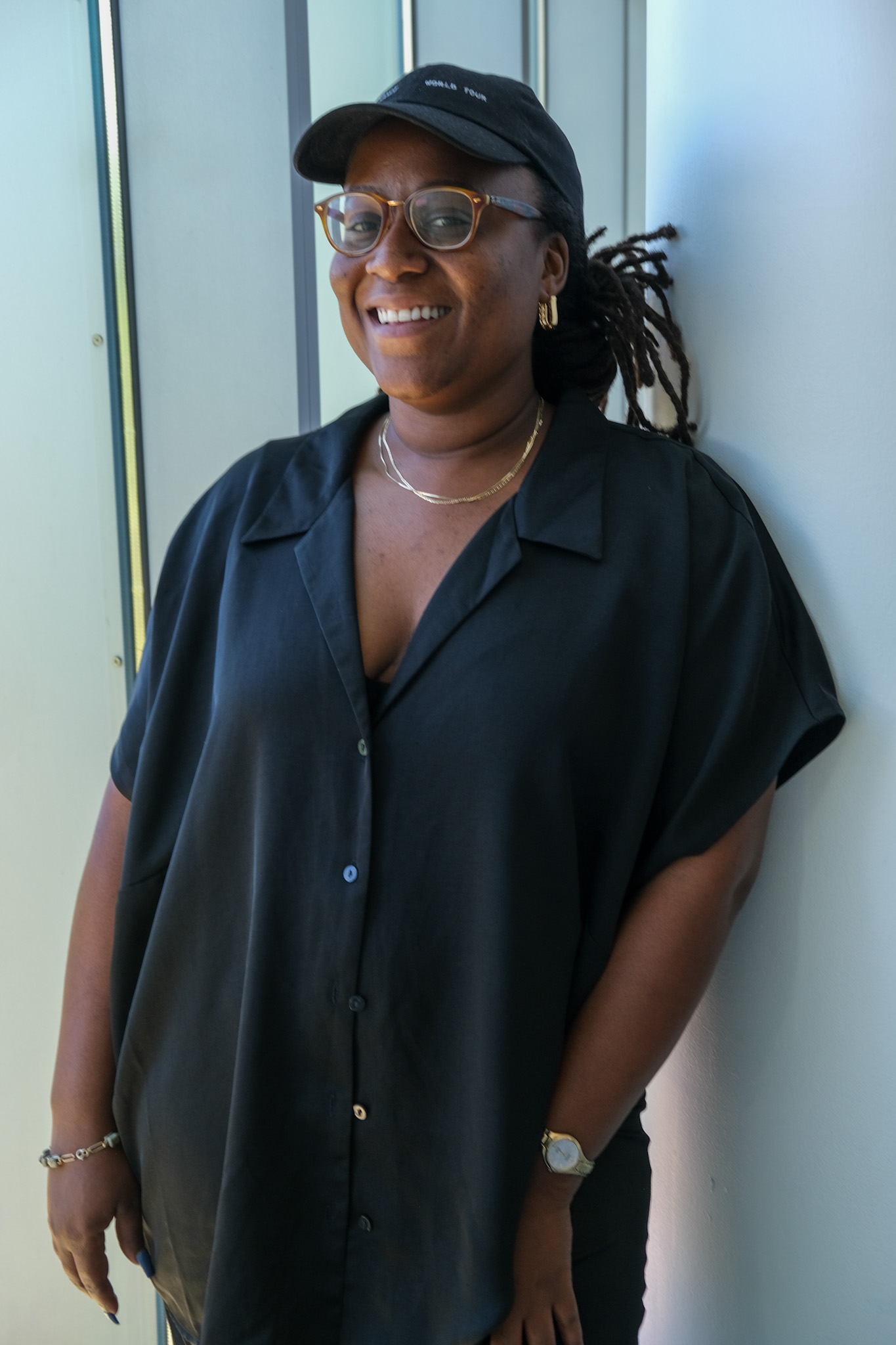
Arsimmer McCoy is an inter-disciplinary artist who merges poetry, archive, performance, and audio/visual sculpture, into a conduit for advocacy. McCoy uses poetry and performance as a “vehicle” for storytelling. McCoy’s poems have been included in Venice Magazine, RootWork journal, Creatures Mag, and several others.
Her reflective/narrative style, can be seen in poems like Still got that ringin’ in my ear, published by O, miami and Edited by journalist & archivist Nadege Green and the Miami Film Festival “Made in Miami” Award winning film “You can Always Come Home'' Directed and edited by Juan Luis Matos, written and narrated by Arsimmer McCoy and visual artist Reginald O’Neal, and commissioned by Architectural League Prize winner Germane Barnes for his “Housekeeping” online exhibition. McCoy activates spaces through performance and workshops, like Cornelius Tulloch’s solo show Bougainvillea for the FAENA art studio, The Perez Museum’s “The Artist as Poet” exhibition, Chris Friday’s “One More River” at Austin State Peay University in Clarksville, Tennessee, and the Edge Zones performance art festival in the Dominican Republic.
This year Arsimmer debuted her poetry driven stage play “I’m so Depressed” for her Miami light project Here and Now artists group show which was covered in the Miami New Times. The influence behind the work comes from her upbringing in historic Richmond Heights, Florida; an all-black neighborhood, built in 1952, for black WWII vets. It was there where she had the privilege to serve a community, built on history, family, and spirituality; Arsimmer currently resides in Carol City with her daughter.
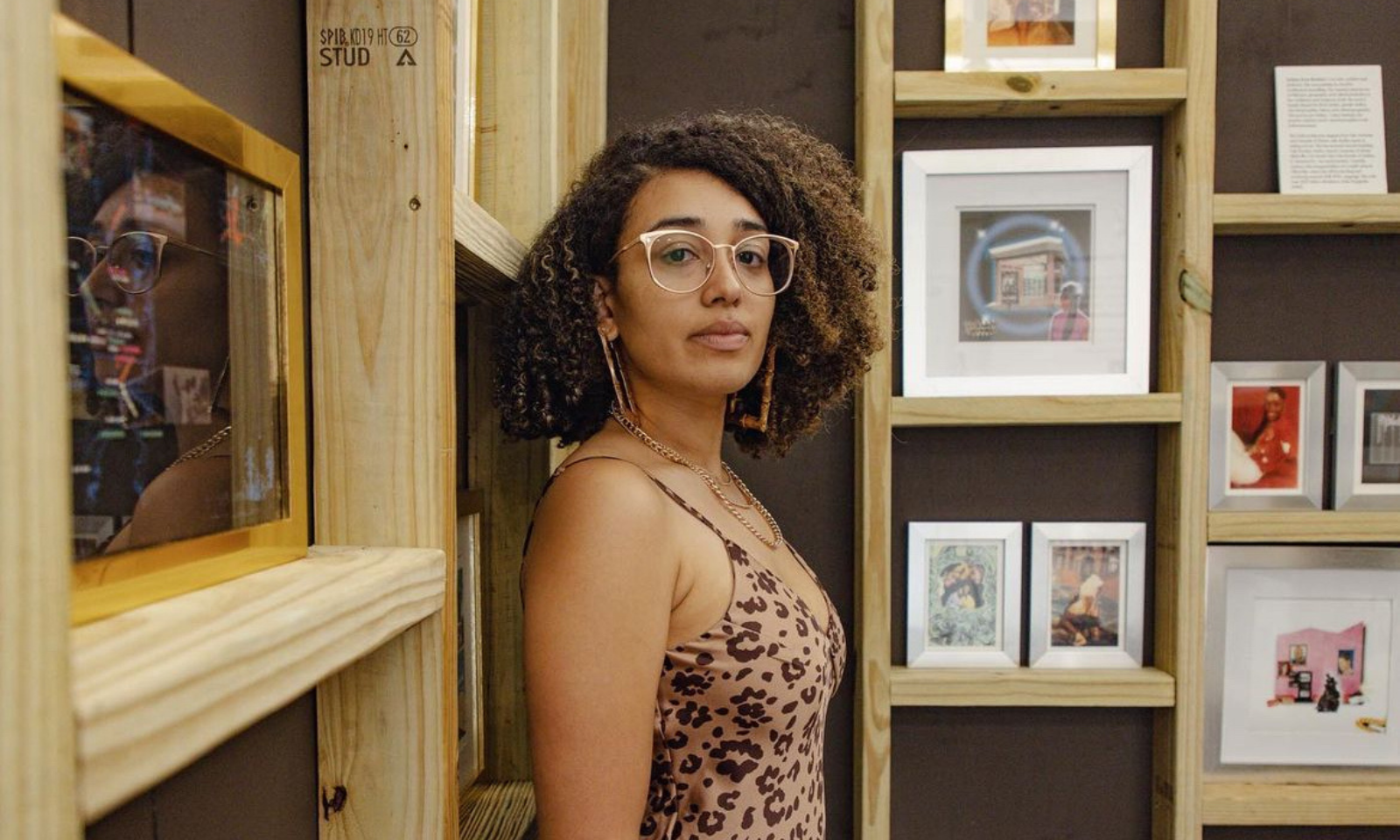
Sydney Rose Maubert is an artist, architect and professor. She uses painting as a tool for architectural storytelling. Her research interests are architecture, geography, and cultural production in the Caribbean and American South. Informed by her Haitian- Cuban heritage, her practice explores racial- sexual perception in the built environment. She is the founder of Sydney R. Maubert LLC., her art and mural practice. Born in Homestead, she holds degrees in architecture from Yale University and the University of Miami, with double minors in writing and art. She splits her time between Miami and New York. Maubert was the inaugural Strauch Early Career Fellow through The College of Architecture, Art, and Planning (AAP) at Cornell University. She has received several awards, including the Miami-Dade County Department for Cultural Affairs, Cornell Council for the Arts Award, Yale Moulton Andros Award, and University of Miami Alpha Rho Chi Award. She has assisted in teaching courses at Yale University, Morgan State University, City College of New York, and the University of Miami. She was the June 2023 Artist in Residence at the Everglades (AIRIE) and June 2025 Suriname residency artist for Diaspora Vibe Cultural Arts Incubator.
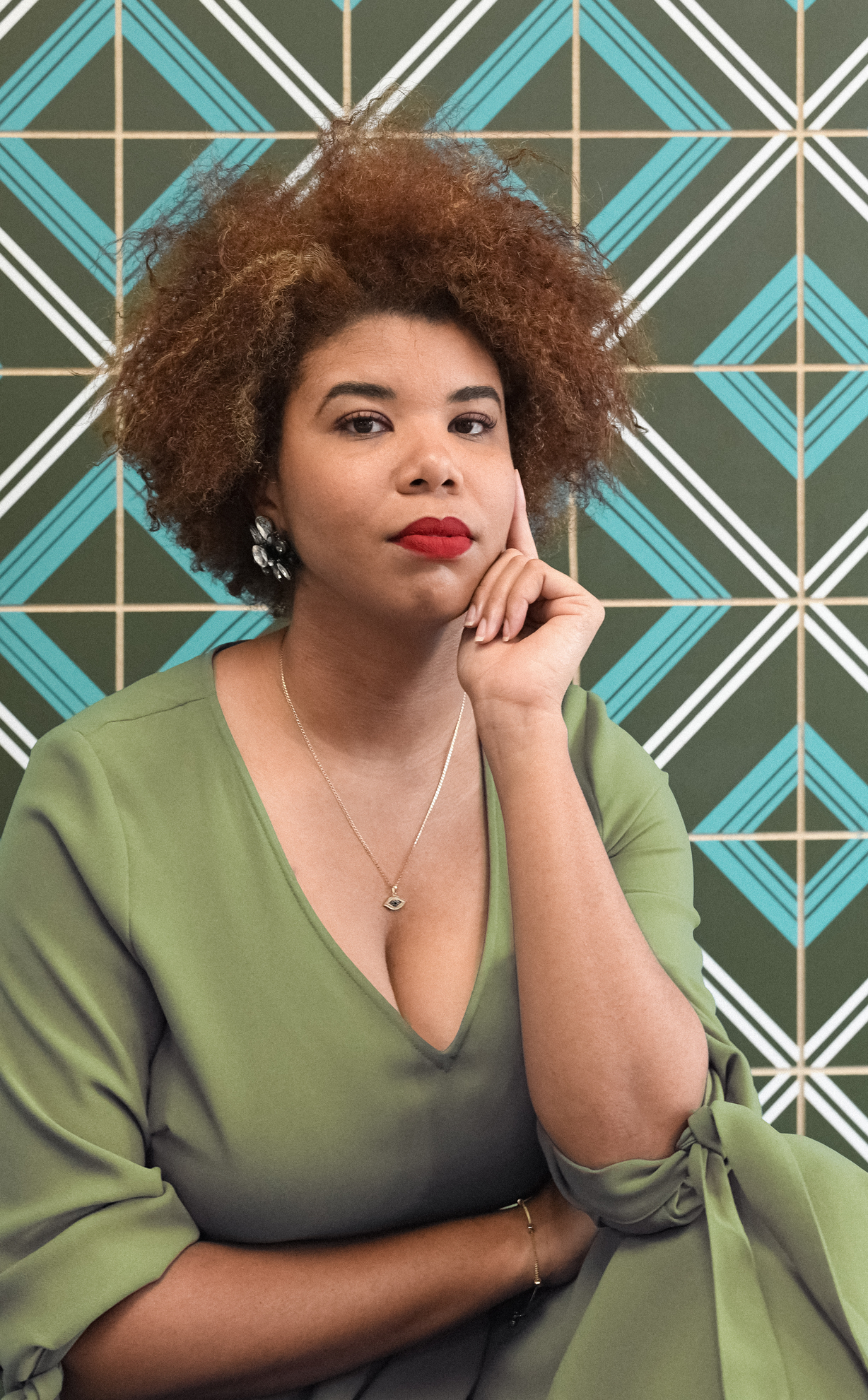
Aldeide Delgado is a Cuban-born, Miami-based independent Latinx art historian and curator, founder & director of Women Photographers International Archive (WOPHA). She publishes and curates from feminist and decolonial perspectives on crucial topics of the history of photography and abstraction within Latin American, Caribbean, and Latinx contexts. Delgado also advises and presents on photography internationally from the Tate Modern to California Institute of the Arts (CalArts). She is a recipient of a 2019 Knight Arts Challenge award, the 2018 School of Art Criticism Fellowship by SAPS - La Tallera, and a 2017 Research and Production of Critic Essay Fellowship by TEOR/éTica. Delgado conceptualized the world’s first-ever feminist photography collective conference, WOPHA Congress: Women, Photography, and Feminisms (November 17-20, 2021). Prior to founding WOPHA, Delgado created the online feminist archive Catalog of Cuban Women Photographers, the first comprehensive survey of Cuban photography history highlighting women’s contributions from the nineteenth century to the present. She is an active member of PAMM’s International Women’s Committee and PAMM’s Latin American and Latinx Art Fund, US Latinx Art Forum, the Lucie Foundation Advisory Board, and the steering committees of the Feminist Art Coalition and Fast Forward: Women in Photography.
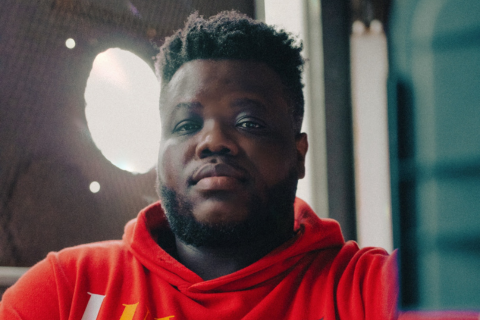
Morel Doucet (born 1990) is a Miami-based multidisciplinary artist and art educator who hails from Haiti. He employs ceramics, illustrations, and prints to examine the impacts of climate gentrification, migration, and displacement affecting communities of the African diaspora. Through a contemporary reimagining of the black experience, his work catalogs a powerful record of environmental decay at the intersection of economic inequity, the commodification of industry, personal labor, and race. Drawing from various Indigenous cultures across the globe, he creates whimsical forms that entice and lure the viewer while reminding them of their destruction and complacency of the dying environment.
Doucet's Emmy-nominated work has been featured and reviewed in numerous publications, including Vogue Mexico, The New York Times, Oxford University Press, Hyperallergic, PBS, WhiteHot Magazine, Hypebeast, and Ebony Magazine. He graduated from the New World School of the Arts with the Distinguished Dean’s Award for Ceramics. From there, he continued his education at the Maryland Institute College of Art, receiving his BFA in Ceramics with a minor in creative writing and a concentration in illustration. Doucet's work is held in collections of the Pérez Art Museum Miami, the Tweed Museum of Art, the Museum of Contemporary Art North Miami, the Plymouth Box Museum, the Petrucci Family Foundation Collection of African American Art, Microsoft, Facebook, and Royal Caribbean.
Doucet has received several prestigious awards, including the 2024 Harpo Foundation Visual Artist Award, the 2024 Miami-Dade Individual Artist (MIA) Grant, the 2021 Oolite Art Ellies Creator Award, and the 2020 Green Space Initiative Grant. Doucet has also been nominated for notable awards, such as the 2019 Joan Mitchell Foundation Painters & Sculptors Grant and the Louis Comfort Tiffany Biennial Award.
Doucet has exhibited extensively in national and international institutions, including the African American Museum in Philadelphia (2024), the Museum of the African Diaspora in San Francisco (2024), the Design Museum of Chicago (2023), the Venice Biennale (2022), the Havana Biennial (2019), the African Heritage Cultural Arts Center, Miami, FL (2019); the Museum of Contemporary Art North Miami (2021), the Reginald F. Lewis Museum of Maryland African American History & Culture (2023), São Tomé et Príncipe, and the Patricia & Phillip Frost Art Museum, Miami, FL (2020).
As an Art Educator, he is interested in immersing young audiences in personalized courses that instigate curiosity, sensory perception, and visual literacy.
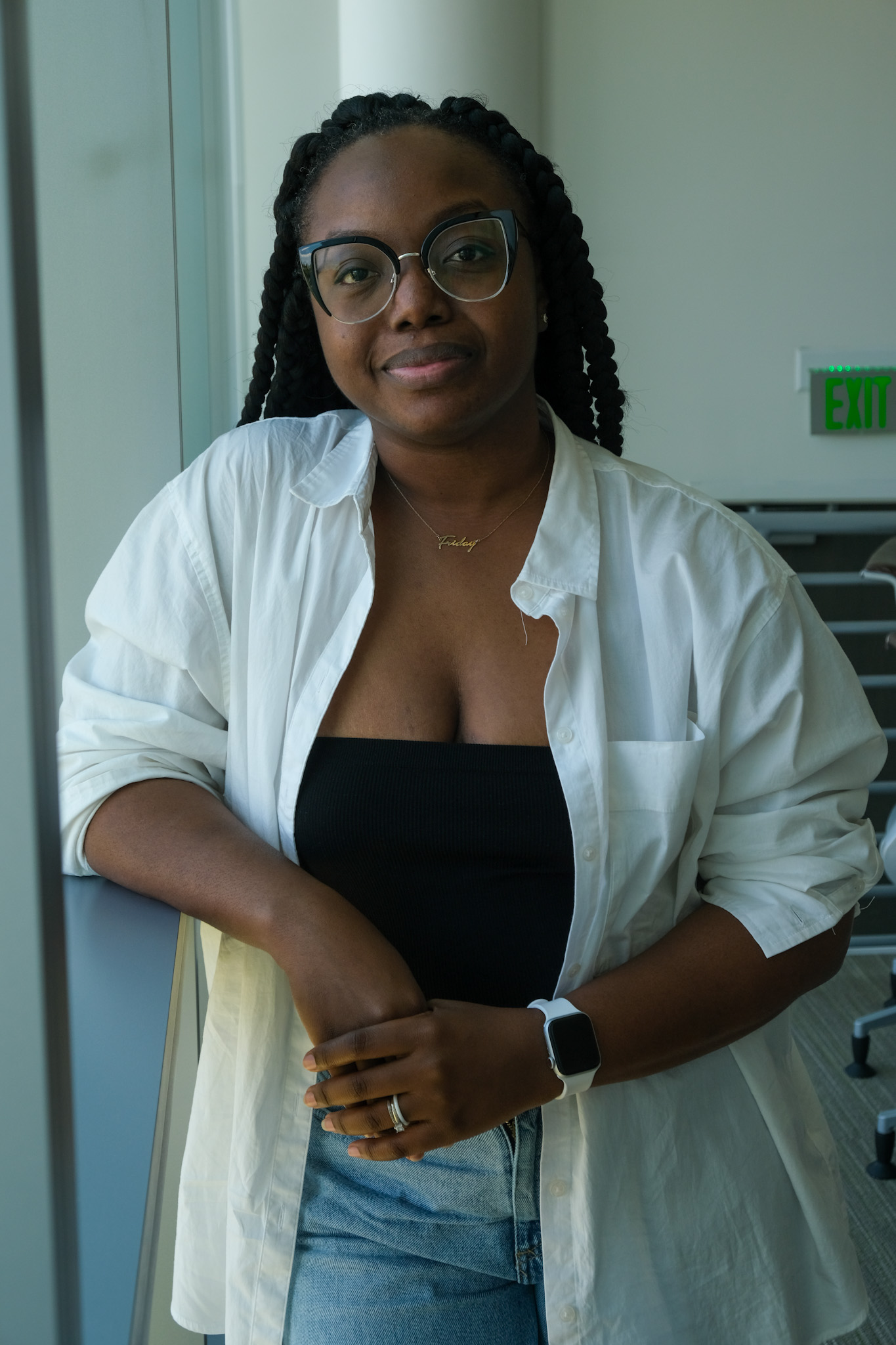
Chris Friday is a multidisciplinary artist and independent curator, based in Miami, FL. Friday’s work explores themes of rest, privacy, and supplementing the archive as a way of advocating and claiming space for Black bodies that are historically excluded from it. Utilizing the internet as an infinite source of archival samples, she collects iconography from the shared experiences of people of color to construct and preserve alternative historical and personal narratives. Often incorporating a black-and-white Chalkboard aesthetic, which plays on concepts of learning and teaching, Friday analyzes mainstream media to identify problematic representations and their origins, questions the legitimacy of such perspectives, and imagines possible solutions with her work.
Her portfolio features large-scale works on paper, murals, video, ceramics, projections, photography, comic illustrations, and social practice/activism through curating. Friday’s work has been included in exhibitions locally, nationally and internationally. Notable group exhibitions include “Narcissist”, presented by the Museum of Contemporary Art North Miami (2023) as a part of the Art on the Plaza Residency, “Rest is Power”curated by Deborah Willis and Kira Joy Williams and presented at New York University (2023), and The Cartography Project” presented by the Kennedy Center for the Arts in Washington, D.C. (2022). Solo exhibitions include the forthcoming “Where We Never Grow Old”, curated by Rangsook Yoon and presented at Sarasota Art Museum, (2025) “Good Times” curated by Laura Novoa and presented at Oolite Arts, (2023) and One More River, curated by Michael Dickins and presented at Austin Peau State University (2022)
Friday has received numerous awards, fellowships and grants, including being named the South Arts Southern Prize State Fellow for the State of Florida (2023), a Knight Foundation “Knights Champion” grant recipient (2022) , a “The Ellies” Creator award from Oolite Arts (2023 &2021), The GMBCV People's Choice award in Miami Beach's No Vacancy juried art show (2021), and residencies with AIRIE Everglades National Park (2024), Diaspora Vibes Culture Arts Incubator (2024), Oolite Arts, (2023/22), MassMoCA (2023), Anderson Ranch Arts Center (2022), and the Visual Arts Residency at Chautauqua Institute (2019).
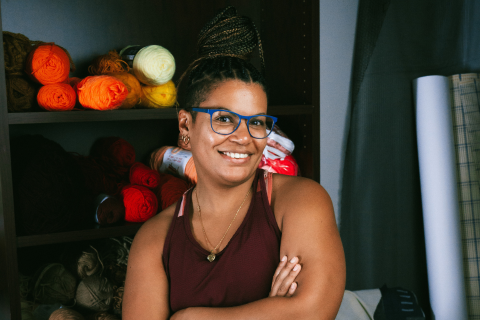
Kandy G. Lopez (b. 1987, New Jersey) is a multidisciplinary portrait artist exploring cultural identity, representation, and power through fiber, painting, glass, and mixed media. Born to Dominican parents, she draws from her experience navigating multiple cultural landscapes.
Lopez holds a BFA in Painting and a BS in Marketing/Management from the University of South Florida and earned her MFA in Painting from Florida Atlantic University in 2014. Her background in both fine arts and business informs her meticulous material investigations and strategic engagement with art institutions. She is currently an Associate Professor in the Department of Communication, Media, and Arts at Nova Southeastern University, where she integrates critical theory with hands-on material practice.
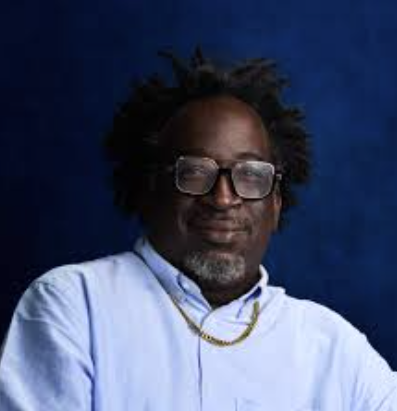
T. Eliott Mansa has developed an assemblage practice that incorporates materials from roadside memorials, applying ritual practices from West African, Caribbean, and Southern religious and vernacular sculptural traditions. His works question the efficacy of political art making, and looks to apotropaic art making practices, and creates with a conceit of creating a ritual practice to honor, memorialize, protect, and defend Black Lives, from state and extrajudicial violence. Born in Carol City, he received his BFA from the University of Florida in 2000, he attended the Yale School of Art, Maryland Institute College of Art, and received his MFA from CUNY-Hunter College in 2018.
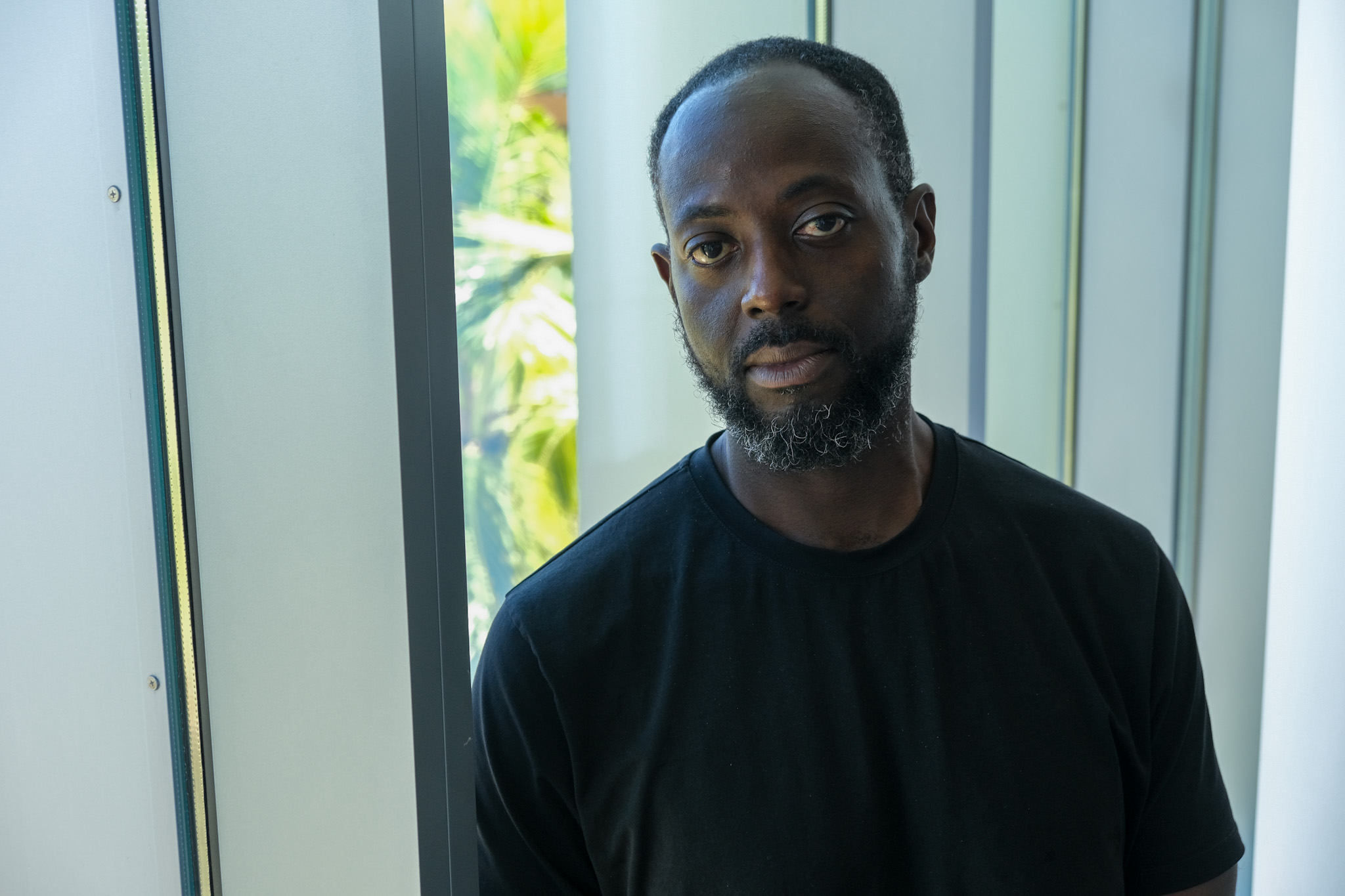
Jared McGriff is an expressionistic painter, who through ethereal brush strokes transform mundane moments and scenes of everyday life into luminous ruminations. His interests in landscape painting and the figure are simultaneously time and place specific as well as transcendent. His characters navigate between the laws of nature and the laws of man and the compromises we make between them. McGriff’s figures appear stoic and steadfast, firmly grounded in their earthly reality while claiming celestial realms, dreamily and stubbornly finding their way through their natural and built environments. Born in Los Angeles, McGriff was raised in Tulare, California. He received his BA in architecture from the College of Environmental Design at the University of California, Berkeley and his MBA in Finance from New York University. McGriff has lived on Miami Beach for over 10 years.
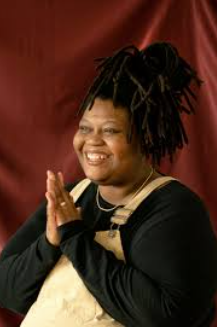
Michelle Lisa Polissaint is a Haitian-American visual artist, arts organizer, and consultant based in Miami, Florida. She holds a Bachelor of Fine Arts degree from Florida International University with a concentration in Photography and Fiber-based painting with a minor in Art History. She has also completed coursework in non-profit management at Johns Hopkins University and graduated with her MFA from UNC Chapel Hill in 2026.
As an artist, she explores the nature of human interaction through textiles and photographs. Her organizing practice is focused on overlapping art, community, and activism. She produces community-based activations and encourages artists and community members to form collaborative relationships. Her work has been shown internationally at various institutions including the Museum of Contemporary Art, Atlanta Contemporary, the Girls’ Club Collection, and most recently La Villa du Parc. She is a current studio resident at Bakehouse Art Complex in Miami, Florida.
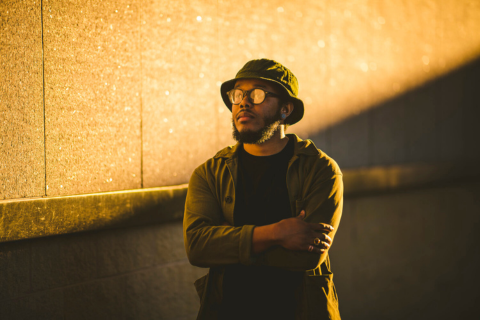
Terence Price II is a self-taught photographer and filmmaker based in Miami. He works within the medium of street photography as a form of documentation which seizes on the highs and the lows of family life and the surrounding community. While roaming the streets of Miami he “captures” intimate moments among family, friends, and neighbors that both move him deeply and reflect on the notion of community. He invites the viewer to share in this experience. Born in Carol City, Florida, Price is a graduate of Miramar High School.
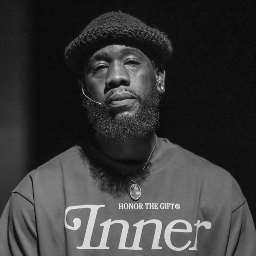
Roscoè B. Thické III (b. 1981, Miami, Florida) is a lens-based artist and curator whose work lives at the intersection of memory, place, and the quiet weight of inheritance. Raised in Liberty City and Miami Gardens, his practice is rooted in the physical and emotional landscapes that shaped his early life and spaces filled with texture.
Thické studied photography and design at Broward College and has exhibited nationally at The Bass Museum, the Brooklyn Academy of Music, the Art and Culture Center in Hollywood, the Utah Museum of Contemporary Art, and Oolite Arts, among others. His work has also been presented in film festivals including Tribeca, DOC NYC, and the New Orleans Film Festival. He is the recipient of numerous awards and residencies, including the 2021 Ellie Schneiderman Creator Award from Oolite Arts, the 2022 Locust Projects Wavemaker Grant, a 2023 Suncoast Emmy Award for his film 1402 Pork N Bean Blue, the 2025 South Florida Cultural Consortium Fellowship, and the 2025 DVCAI Residency in Paramaribo, Suriname. Previous residencies include the Atlantic Center for the Arts, the African American Research Library and Cultural Center, MASS MoCA, and OSMOS in New York.
As both an artist and curator, Thické approaches his work with an artist-first perspective building projects that prioritize empathy, dialogue, and representation. His curatorial work, including the exhibition SUNS and SHADOWS, continues his commitment to honoring legacy through balance, conversation, and care.
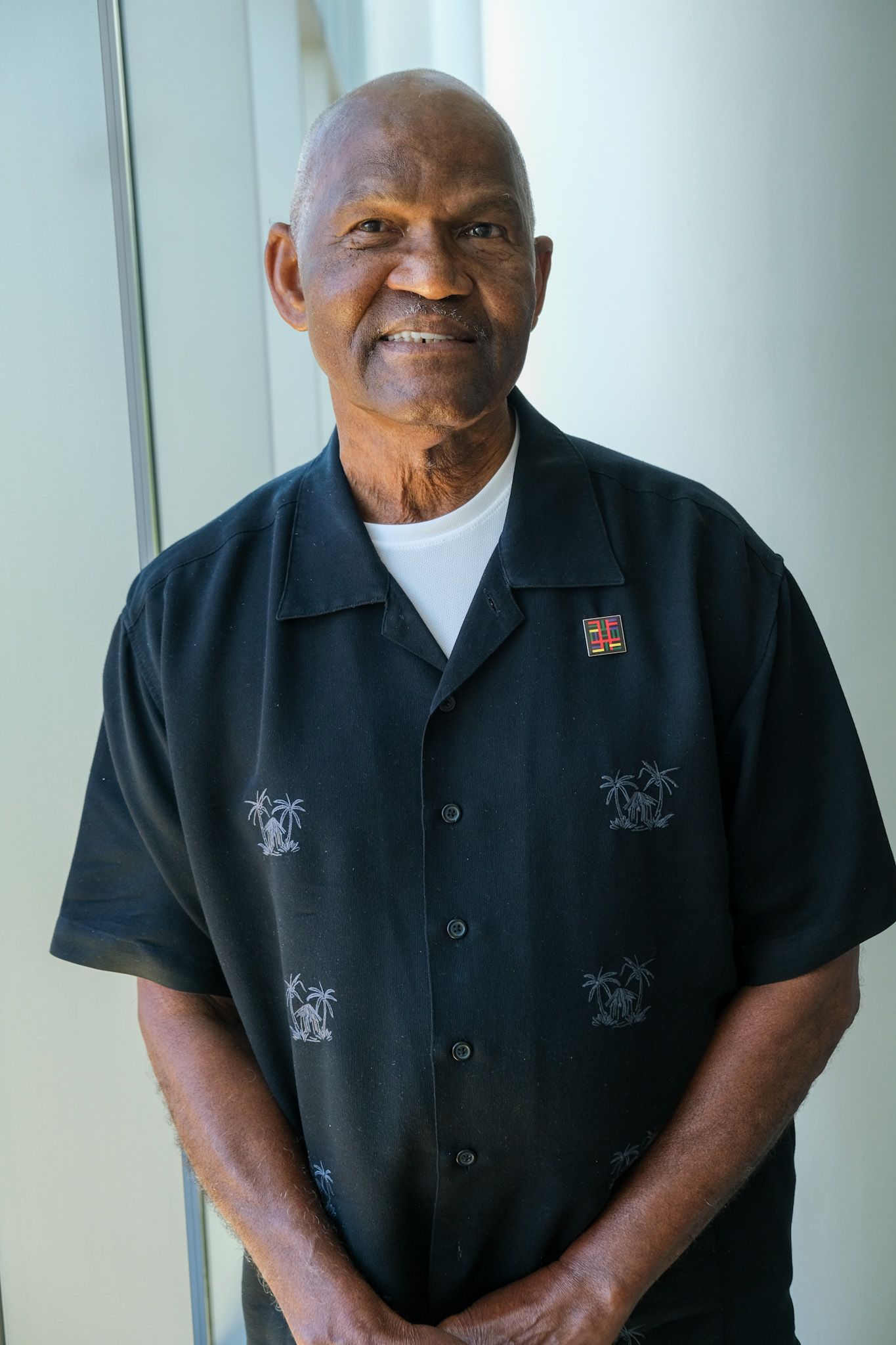
Roland Woods, Jr. is a painter and printmaker whose practice renders the exuberance and transcendence of Black everyday life. Born and raised in Miami’s Brownsville neighborhood, he studied art at the University of Miami’s (UM) Art History Department in the late 1960s and graduated from the UM in 1971. A member of the early generation of Black students who integrated the university, Roland was a founding member of the Miami Black Arts Workshop, which began as the Miami Black Arts Council on UM’s campus. While at UM, Woods lived in Coconut Grove, a place that would inspire his artmaking and social activist practice.
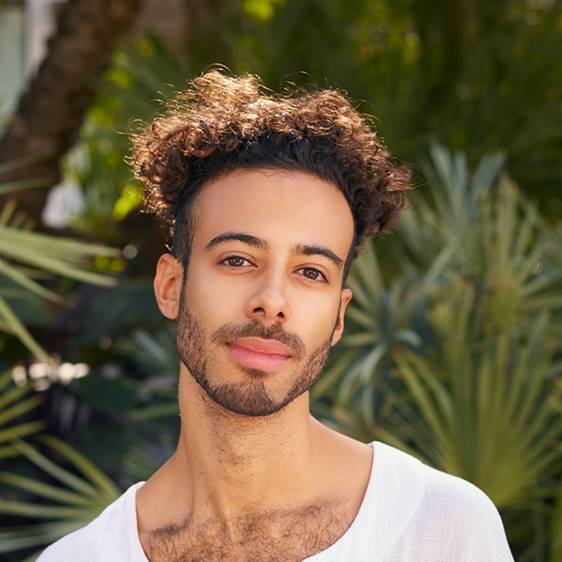
Juan Luis Matos (b. Havana, Cuba) is a multidisciplinary artist and filmmaker based in Miami, FL. He studied at the Hochschule für bildende Künste in Hamburg, Germany and received his BFA from the San Francisco Art Institute.
Juan’s films have been selected at numerous festivals, including DOC NYC, BlackStar Film Festival, New Orleans Film Festival, and Miami Film Festival, and he is a four time Suncoast Regional Emmy Award winner. He was the top prize recipient for the 2022 Knight Foundation Made in MIA Award at Miami Film Festival for his short film, 'You Can Always Come Home,’ which is in the collection of Indiana University Black Film Center & Archive and the MacDowell Library. His video, photography, and installations have been exhibited at David Castillo Gallery, Tunnel Projects, The Everson Museum of Art, Kestner Gesellschaft, Walter McBean Gallery, and Express Newark. Juan is also the technical director and producer of Masisi Radio, an online radio centering Black, Queer, and Caribbean voices in Miami.
He is a 2026 SFFILM Rainin Grant recipient, a 2025 Cité Internationale des Artes resident in Paris, France, and a 2022 MacDowell Colony fellow. He is currently an artist in residence at the Bakehouse Art Complex, and a Cinematic Arts resident at Oolite Arts, where he is developing his debut feature film, Three Islands.
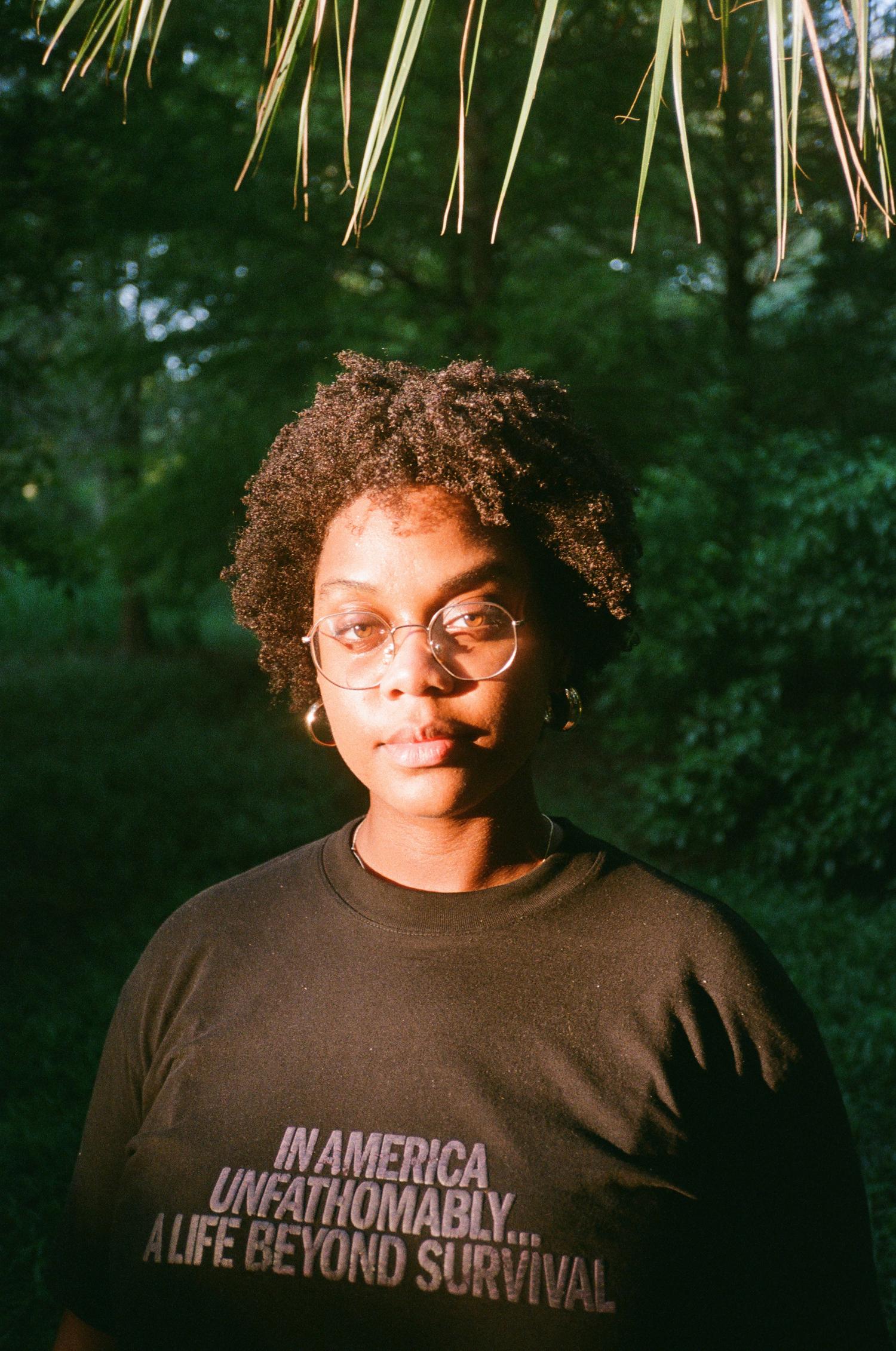
Monica Sorelle is a Haitian-American filmmaker and artist born and based in Miami. Her work explores alienation and displacement, and preserves cultural traditions within Miami and the Caribbean with a focus on the African and Latin diasporas that reside there.
Monica’s feature directorial debut, Mountains, had its world premiere at Tribeca Festival, where it was awarded a Special Jury Mention in the U.S. Narrative Feature competition, and its international premiere at Toronto International Film Festival. Mountains was nominated for two Film Independent Spirit Awards, with Monica receiving the Someone to Watch Award. As a creative producer, Monica’s short films have won top prizes at Berlinale, BlackStar, and Miami Film Festival, been selected at Sundance, New Orleans Film Festival, and New Directors/New Films, and have been acquired by Criterion Channel and the Black Film Center & Archive.Her photo and video work has been shown in group exhibitions at various institutions including Pérez Art Museum Miami and their online platform PAMM TV, Oolite Arts, Art and Culture Center/Hollywood, and Augusta Savage Gallery, and supported by PAMM’s Caribbean Cultural Institute Artist Fellowship, Locust Project’s Wavemaker Grant, and Miami-Dade County Department of Cultural Affairs.
Monica has received a United States Artist Fellowship, an SFFILM Rainin Grant, a Princess Grace Award, a South Florida Cultural Consortium Fellowship, and two Ellies Creator Awards. She is a current studio resident at Bakehouse Art Complex.
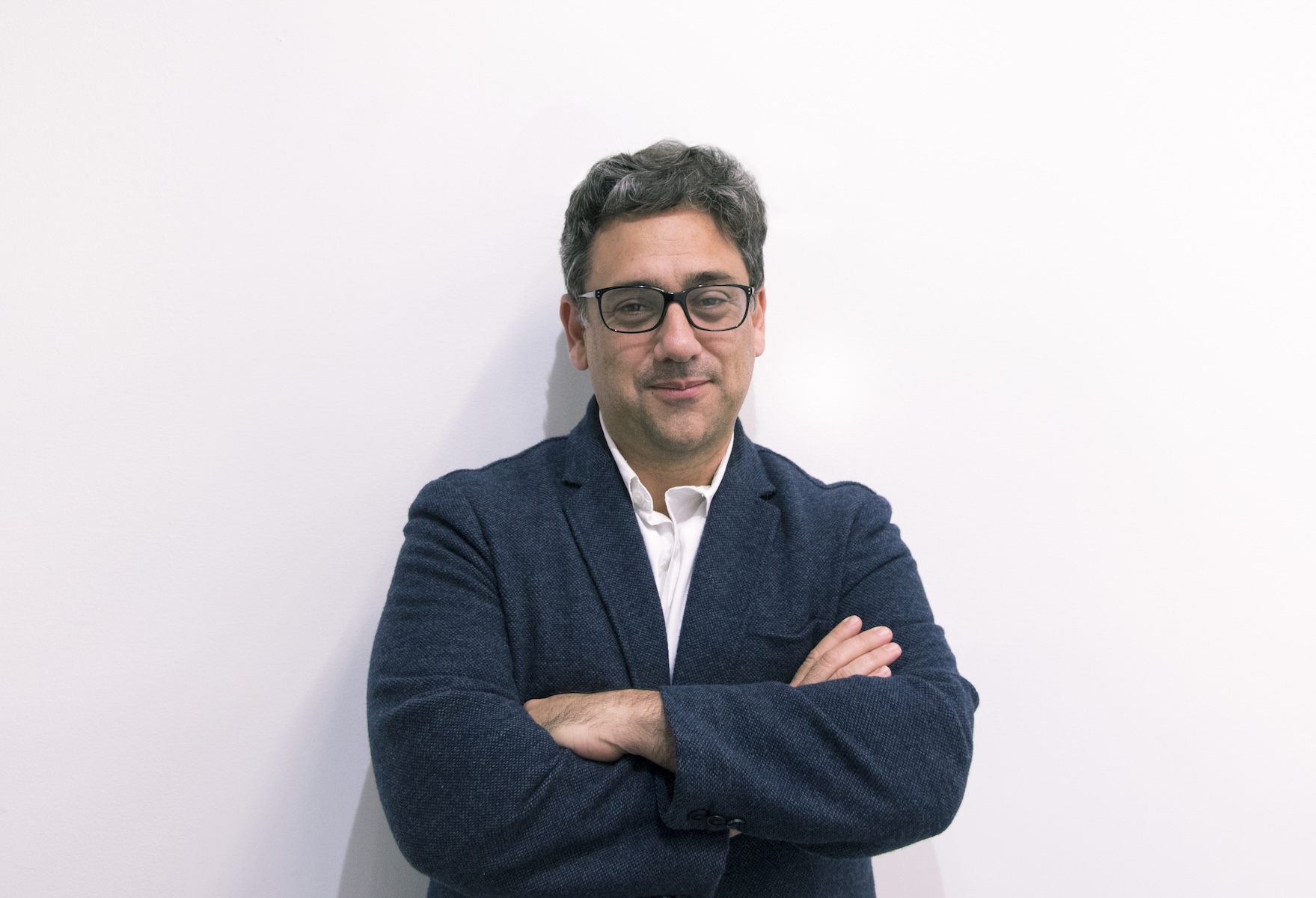
Gean Moreno is Curator of Programs at ICA Miami, where he founded and organizes the Art + Research Center. At ICA, he has also curated exhibitions dedicated to Hélio Oiticica and Terry Adkins, and is working on forthcoming projects with Larry Bell and Paulo Nazareth. He was on the Advisory Board of the 2017 Whitney Biennial and is an advisor for the upcoming Creative Time Summit.
He serves as co-director of [NAME] Publications. Between 2014-2016, Moreno was Artistic Director at Cannonball, where he developed pedagogical platforms and public commissions. He has contributed texts to various catalogues and publications, including e-flux journal, Kaleidoscope, and Art in America.
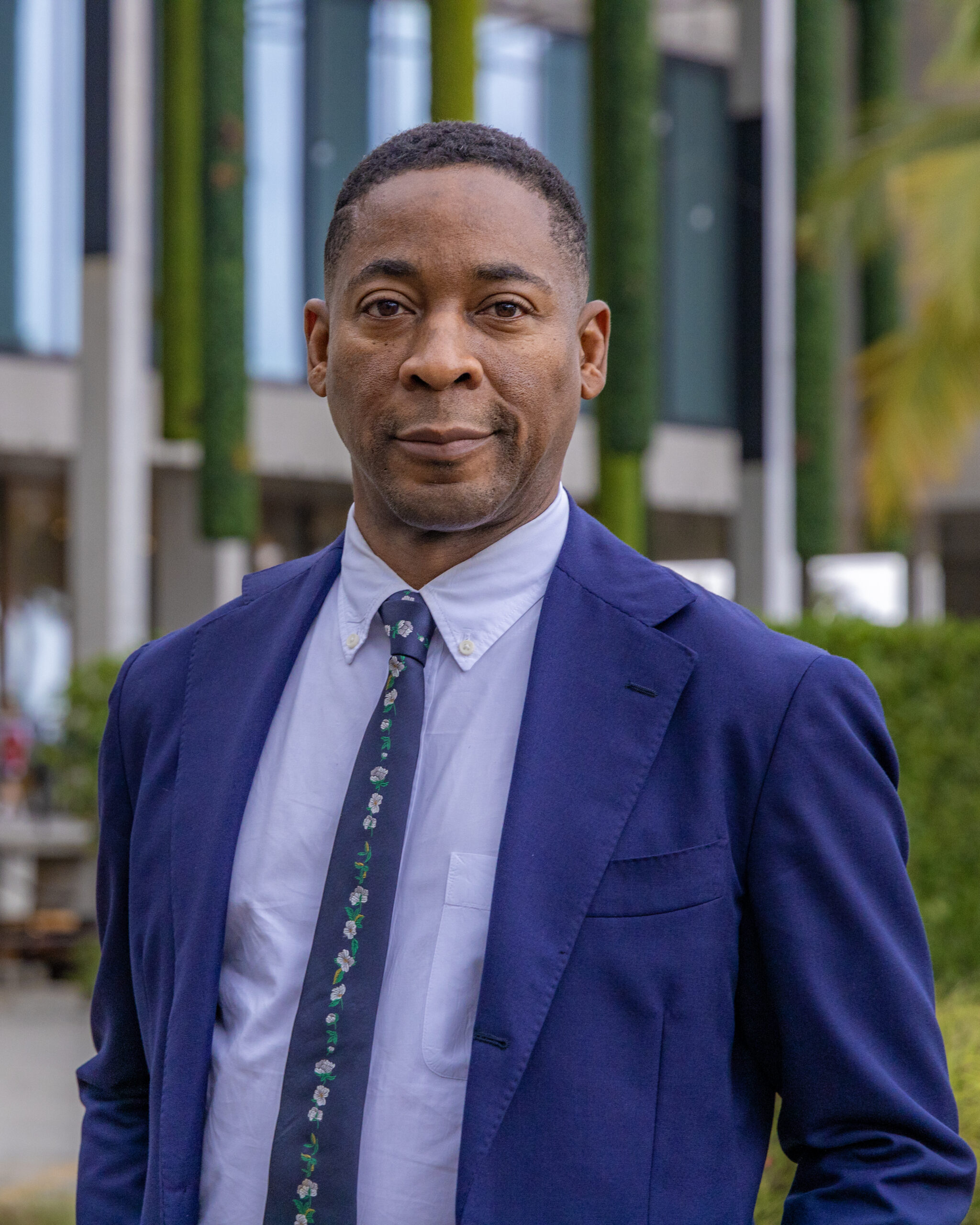
Franklin Sirmans is the director of the Pérez Art Museum Miami (PAMM). Prior to taking his position at PAMM, Sirmans was Terri and Michael Smooke Department Head and Curator of Contemporary Art at the Los Angeles County Museum of Art (LACMA) and curator of modern and contemporary art at the Menil Collection in Houston, Texas. He has mounted exhibitions as an independent curator at museums in Europe, Asia and the U.S., including the Bronx Museum of the Arts, Comune di Milano in Italy and the Museum Villa Stuck in Munich.
Some of his notable projects include “Basquiat” (Brooklyn Museum; Museum of Contemporary Art, Los Angeles; and the Museum of Fine Arts, Houston; 2005); “Make it Now: New Sculpture in New York” (Sculpture Center, 2005); “One Planet Under a Groove: Contemporary Art and Hip Hop” (Bronx Museum of Art; Spelman College Museum of Fine Art, Atlanta; and the Walker Art Center, Minneapolis; 2001-2003); and “Ralph Bunche: Diplomat for Peace and Justice” (Queens Museum of Art, 2004). He has also been a curatorial advisor at PS 1 since February of 2006, and has organized exhibitions such as “Bearable Lightness” and solo presentations of artists including SunTek Chung, Philip Maysles, Curtis Mitchell and Senam Okudzeto. He has taught art history most recently at both Maryland Institute College of Art and Princeton University. A former U.S. editor of “Flash Art” and editor-in-chief of “ArtAsiaPacific,” Mr. Sirmans has written widely on art and culture for such publications as “Art in America,” “The New York Times,” “Essence” and “Newsweek International.” Sirmans has also contributed monographic essays for catalogues on artists including Kevin ei-Ichi DeForest, Kehinde Wiley, Gajin Fujita, Wendell Gladstone and David Hammons.
Born in New York City, Sirmans was raised in Harlem, Albany and New Rochelle, New York. He earned English and Art History degrees from Wesleyan University, where he wrote his honors thesis on the artist Jean-Michel Basquiat.
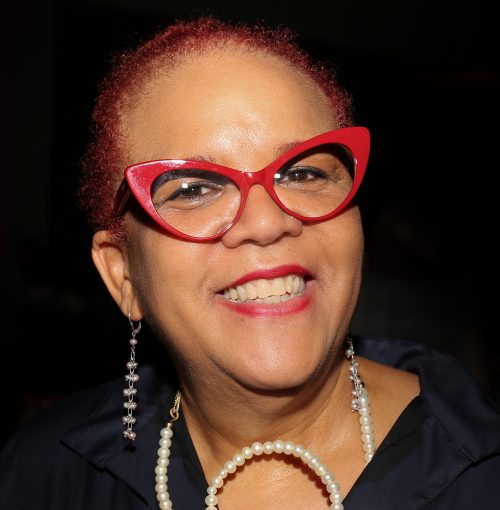
A guiding light for the Miami-Dade arts community, Rosie Gordon-Wallace is a recognized curator, community leader, and pioneer in advancing contemporary Caribbean diaspora art. For more than three decades, Gordon-Wallace has been a legendary force for supporting emerging artists, the creation of new work, and helping create an environment where audiences and artists have opportunities to grow and learn. Generously contributing her powerful voice to make Miami a better place, Gordon-Wallace is a passionate and inspiring arts advocate. Originally from Jamaica, Gordon-Wallace founded Diaspora Vibe Culture Arts Incubator (DVCAI) in Miami to serve as a local and global laboratory dedicated to promoting, nurturing, and cultivating the vision and diverse talents of emerging artists from the Caribbean Diaspora, artists of color, and immigrant artists. Thirty years later, DVCAI is a phenomenal global resource and a leading platform dedicated to providing diaspora artists with a venue to explore and experiment with new forms and themes that challenge traditional definitions of Caribbean and Latin American art. A groundbreaking pioneer, Gordon-Wallace serves on several boards and is a member of the International Women’s Forum and the PAMM Fund for African American Art. Her awards include The Parker Thompson Legacy Award; the first-ever Miami-Dade County Mayor’s Legacy in Arts Award; African Heritage Cultural Arts Center 3rd Annual Calabash Amadlozi Visual Arts Award; International Businesswoman of the Year; and One of South Florida’s 50 Most Powerful Black Professionals. Her curations include The Whole World is Churning: Then and Now and Now and Beyond at the DVCAI at Barry University, Institute of Immigration Studies Gallery at the Monsignor William Barry Library; The Depth of Identity I and II at Green Space Miami, The Arsht Center and Miami Design District.
https://www.thehistorymakers.org/biography/rosie-gordon-wallace
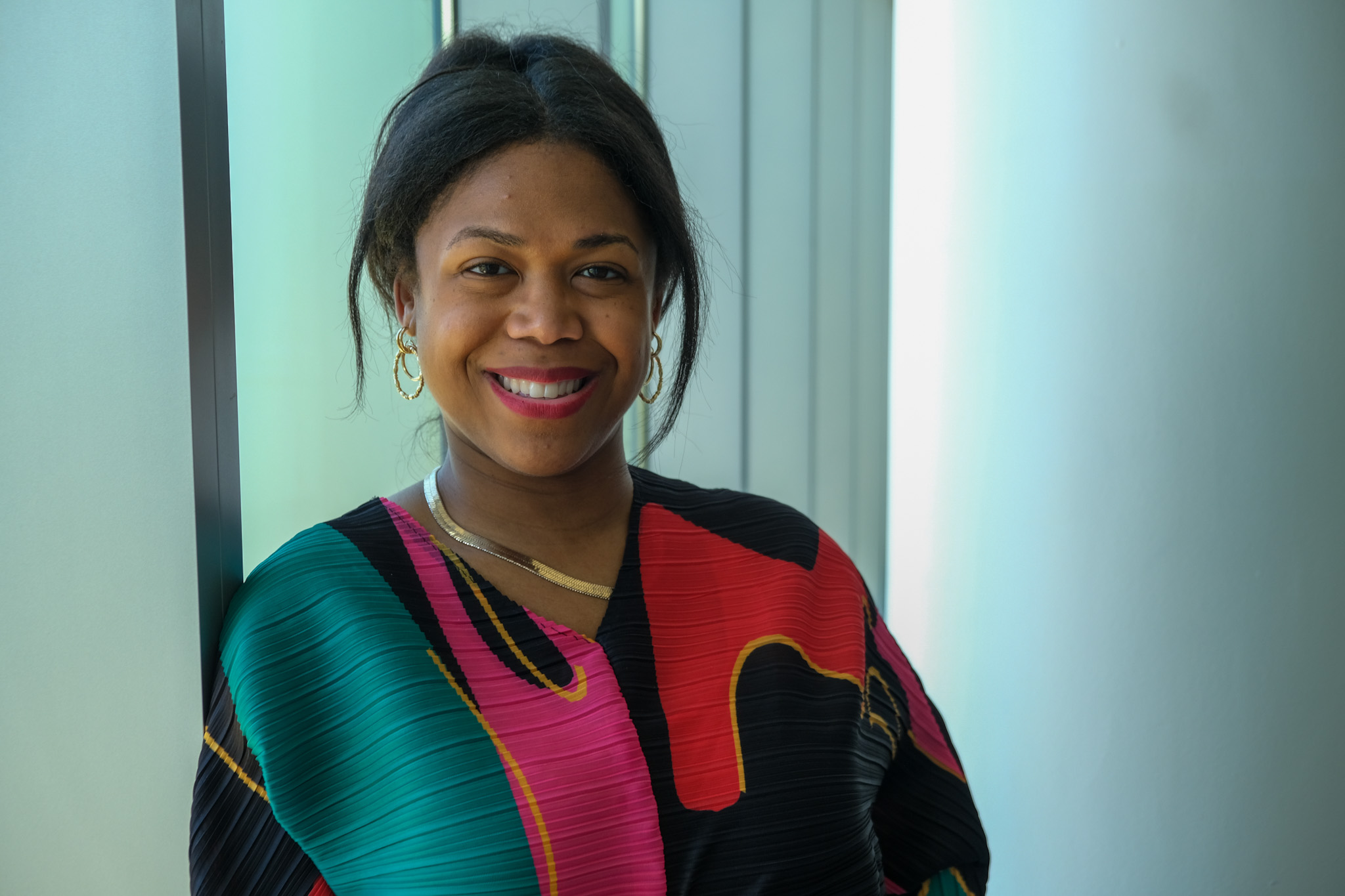
Tanya Desdunes, DVCAI Executive Director, originally from New York, graduated from St. John’s University with a Bachelor of Arts and a Master of Arts in History. Her Miami work experience began as a Civic Engagement Fellow in the AmeriCorps VISTA program at the University of Miami in 2014, leading to education roles in private and public education. Her strong background in the academic and cultural education fields has led to her experience providing support for academic enrichment and development through the use of social research, data gathering, cataloging, and historical benchmarking. A board member of DVCAI since 2019, Desdunes is honored to be the organization’s first Executive Director (2021) and is excited to uphold artistic representation and cultural preservation of the Caribbean and Latin Diaspora community in South Florida.
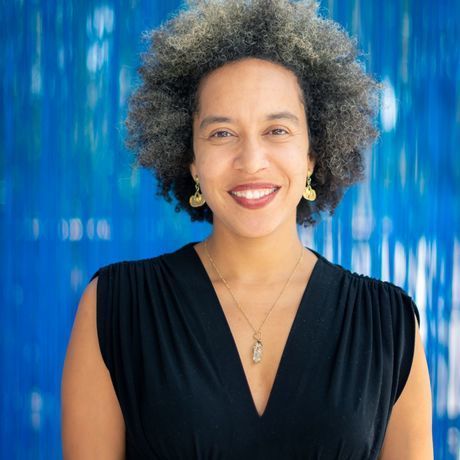
Marie Vickles is a museum educator, independent curator and artist. Currently, the Director of Education at the Pérez Art Museum Miami, she has worked in various roles within the museum’s Education department since October 2013. In her work as an arts educator and cultural practitioner, she is concerned with the relationship between creativity and community engagement – with the goal of supporting equity, sustainability, and access for all, through the arts. Marie has organized arts educational programs, workshops and exhibitions across the United States and the Caribbean for over 20 years and maintains an active practice as an independent curator producing exhibitions and curatorial projects. Currently the Curator-in-Residence at the Little Haiti Cultural Complex (LHCC), Marie completed her studies at the Fashion Institute of Technology in New York City, and Florida State University, which includes degrees in both Visual Arts and Public Administration. Marie currently serves on the Art in Public Places Professional Advisory Committee for Miami Dade County Cultural Affairs.
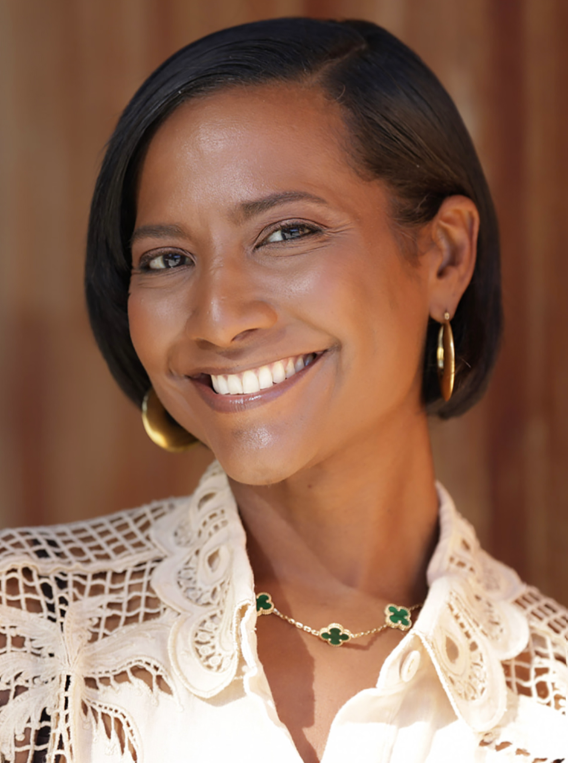
Lauren Baccus is a Miami-based writer and researcher whose work centers on arts education, contemporary art, and Caribbean visual culture. Her practice is grounded in critical inquiry, close visual analysis, and community-centered scholarship, with a focus on how images shape narratives of identity, memory, and belonging across the Caribbean and its diasporas. She has contributed to museums, cultural institutions, and independent projects through research-driven essays, lectures, and public programs.Her ongoing project, Salt and Aloes, serves as a digital archive of Caribbean material culture, blending historical research with artistic expression to educate and inspire. This project, along with works like Our Gordon is Gone (2022), highlights her use of textiles as a medium for storytelling and cultural preservation. Lauren is a 2026 WOPHA Research Fellow and Director of Education and Community Engagement and MOCA North Miami.
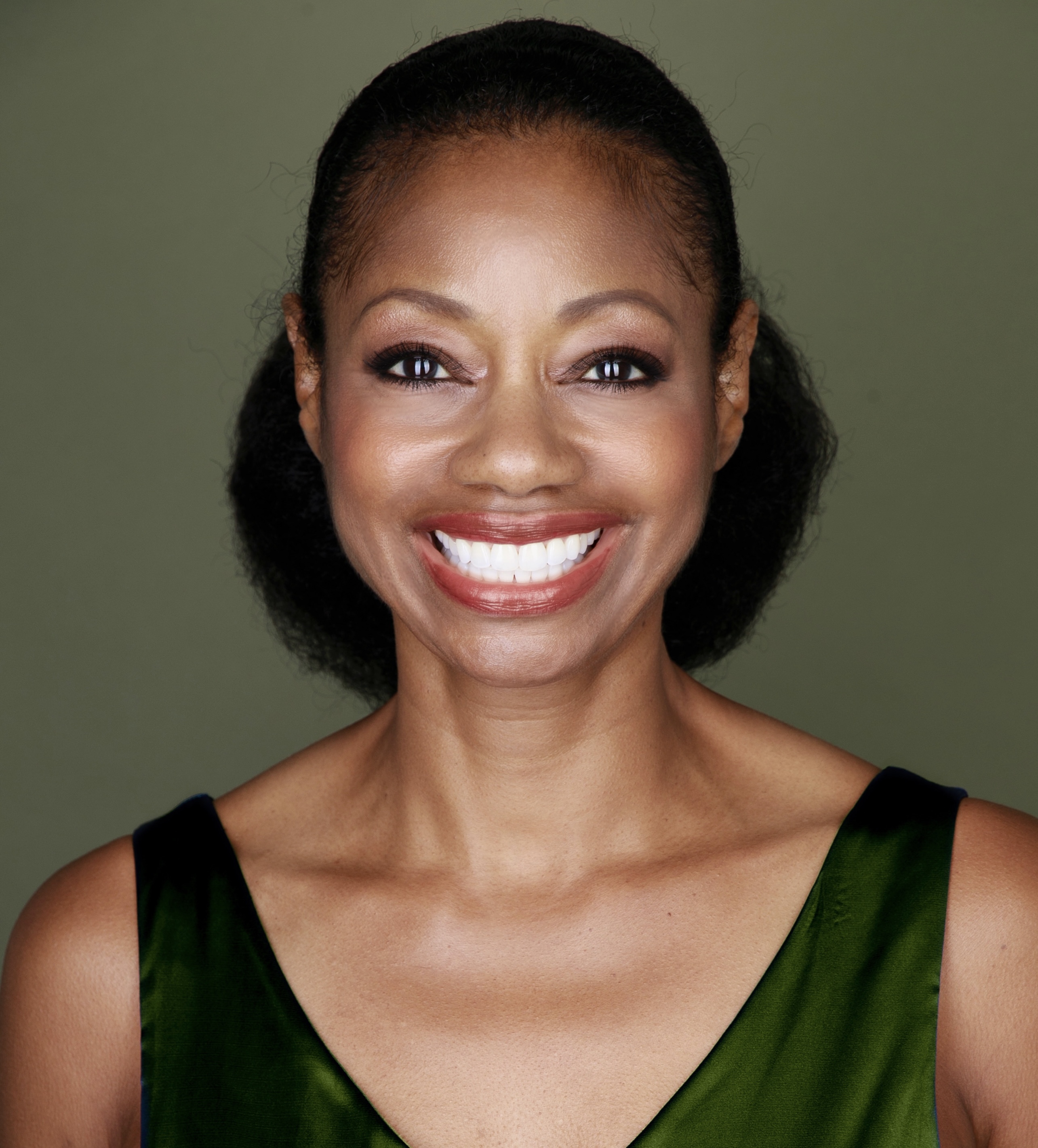
Donnamarie Baptiste is a versatile arts and culture strategist and producer who is part planner, researcher, and storyteller. Baptiste’s portfolio includes independent curatorial work as well as the production of world-class exhibitions for clients that include Prime Video, Amazon Music, Josh Lilley Gallery London (artist Derek Fordjour), Performa, Creative Time, and Lexus. She has served as Director of Marketing & Communications at Creative Time, Director of Programming & Special Projects for The Armory Show and spent 5 years at Art Basel as the Event & Production Manager. Aside from her work in cultural production, she is a Senior Associate with AEA Consulting, where she develops, pitches, and manages cultural projects for a range of nonprofits, arts organizations, entertainment companies, corporations, and city governments. Born in Trinidad and Tobago and currently based in Miami, she has lived between Miami and New York City for over 2 decades.